Finding Family Friendly Hotels With Reasonable Prices Bali is a quest many families undertake, dreaming of sun-kissed shores and unforgettable experiences. Bali, the Island of Gods, beckons with its vibrant culture, stunning landscapes, and promises of adventure, making it a prime destination for family travel. However, the prospect of finding accommodations that cater to both the needs of children and the family budget can seem daunting.
This guide serves as your compass, navigating the landscape of Bali’s hotel offerings to help you discover the perfect blend of comfort, convenience, and affordability.


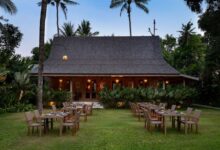



We’ll delve into what truly defines a family-friendly hotel, from kids’ clubs and pools to the importance of room configurations and strategic locations. Furthermore, we’ll unpack the concept of “reasonable prices” in the context of Bali, exploring the factors that influence hotel costs and offering practical budgeting tips. Whether you’re a seasoned globetrotter or planning your first family escape, this guide will equip you with the knowledge and resources to plan a memorable and budget-conscious Bali adventure.
Finding Family-Friendly Hotels With Reasonable Prices in Bali
Bali, the Island of Gods, beckons families with its stunning landscapes, rich culture, and warm hospitality. Planning a family vacation, however, often involves balancing the desire for memorable experiences with budgetary constraints. This guide focuses on identifying family-friendly hotels in Bali that offer reasonable prices, ensuring a delightful and affordable holiday for everyone.
Defining “Family-Friendly” in Hotel Context
Family-friendly hotels cater to the specific needs of families traveling with children. This goes beyond simply allowing children to stay. They offer amenities and services designed to enhance the family travel experience.Here’s what generally constitutes a family-friendly hotel:
- Kids’ Clubs: Supervised activities and entertainment for children of various ages, providing parents with some downtime.
- Swimming Pools: Dedicated kids’ pools or areas, offering safe and fun water activities.
- Family Rooms or Suites: Spacious accommodations with multiple beds or separate living areas to comfortably accommodate families.
- Playgrounds: Outdoor or indoor play areas for children to enjoy.
- Babysitting Services: Available for parents who want to enjoy some alone time.
- Children’s Menus: Restaurants offering kid-friendly meal options.
- Convenience Services: Such as laundry, airport transfers, and the availability of cribs or high chairs.
Understanding “Reasonable Prices” in Bali Hotel Stays
“Reasonable prices” are subjective and depend on individual budgets and travel preferences. However, in the context of Bali, it generally implies a balance between value and cost, considering the quality of accommodation, location, and included amenities.Consider these factors when determining reasonable pricing:
- Seasonality: Prices fluctuate based on the peak and off-peak seasons. The high season (June-August and December-January) usually sees the highest prices.
- Location: Hotels in popular areas like Seminyak and Ubud tend to be more expensive than those in less-touristy locations.
- Star Rating: Generally, a higher star rating indicates more amenities and potentially higher prices, but this isn’t always the case.
- Inclusions: Breakfast, Wi-Fi, and other included services can impact the overall value.
- Negotiation: It’s often possible to negotiate rates, especially during the off-season or for longer stays.
A good benchmark for “reasonable” might be finding a well-reviewed hotel with family-friendly amenities for under $100-$150 USD per night (depending on the season and location), including breakfast.
Bali as a Family Travel Destination
Bali’s appeal as a family travel destination stems from its diverse offerings, cultural richness, and overall safety. The island provides a unique blend of relaxation, adventure, and cultural immersion.Here’s what makes Bali a great choice for families:
- Beautiful Beaches: Numerous beaches offer safe swimming areas and opportunities for water sports. Kuta Beach and Sanur Beach are popular choices.
- Stunning Scenery: Lush rice paddies, volcanic mountains, and cascading waterfalls provide a breathtaking backdrop for family adventures.
- Rich Culture: Temples, traditional dances, and local crafts offer opportunities to experience Balinese culture.
- Delicious Food: Balinese cuisine is generally mild and caters well to children’s tastes.
- Warm Hospitality: Balinese people are known for their friendliness and welcoming attitude towards families.
- Affordability: Bali offers relatively affordable accommodation, food, and activities compared to many other destinations.
Factors Defining Family Friendliness in Hotels
Choosing the right hotel for a family vacation in Bali involves more than just price. It’s about finding a place that caters to the specific needs of families, ensuring a comfortable and enjoyable experience for everyone, from the youngest to the oldest. Several key factors contribute to a hotel’s family-friendliness, making it a haven for creating lasting memories.
Amenities and Features That Make a Hotel Family-Friendly
Family-friendly hotels go beyond basic accommodation, offering a range of amenities and features designed to entertain and cater to the needs of children and their parents. These amenities significantly enhance the overall family travel experience.
- Kids’ Clubs: Many hotels in Bali feature kids’ clubs, offering supervised activities like arts and crafts, games, and cultural experiences. These clubs provide a safe and engaging environment for children, allowing parents some free time to relax or explore. For instance, the Four Seasons Resort Bali at Sayan provides a dedicated kids’ club with a variety of programs, ensuring children are entertained and engaged.
- Swimming Pools and Play Areas: Swimming pools are a must-have for family vacations in Bali. Hotels often have dedicated kids’ pools with shallow areas, water slides, and splash pads. Playgrounds with swings, slides, and climbing frames provide additional entertainment options. The Grand Hyatt Bali, for example, boasts multiple pools, including a dedicated kids’ pool with water slides and a playground, offering ample opportunities for fun and play.
- Babysitting Services: For parents who want some alone time, babysitting services are a valuable asset. Hotels often have a list of vetted babysitters who can provide childcare in the hotel room or at the kids’ club.
- Family-Friendly Dining Options: Restaurants within family-friendly hotels typically offer children’s menus with familiar and appealing dishes. High chairs and booster seats are also readily available. Some hotels even offer cooking classes specifically for children, allowing them to learn about Balinese cuisine.
- Other Amenities: Additional amenities such as laundry services (especially useful when traveling with children), cribs, and rollaway beds are also indicators of a family-friendly hotel.
The Importance of Room Configurations for Families
Room configurations play a crucial role in ensuring comfort and convenience for families. The right room setup can make or break a family vacation, allowing for privacy, space, and a sense of togetherness.
- Connecting Rooms: Connecting rooms are two separate rooms with a door connecting them. This configuration provides privacy for parents while still allowing them to keep an eye on their children. The Ritz-Carlton, Bali, offers connecting rooms in various room categories, catering to different family sizes.
- Suites: Suites offer more space than standard rooms, often including a separate living area and bedroom. This layout provides ample room for families to spread out, relax, and enjoy their time together. Many hotels, such as the Mulia Resort & Villas Nusa Dua, offer spacious suites ideal for families.
- Family Rooms: Some hotels have dedicated family rooms that are specifically designed to accommodate families. These rooms often feature multiple beds or a combination of beds and a sofa bed, maximizing space and comfort.
- Villas: Villas offer the ultimate in privacy and space. They typically feature multiple bedrooms, a private pool, a kitchen, and a living area. This setup is ideal for larger families or those seeking a more independent experience. Several hotels and resorts, such as the Bulgari Resort Bali, offer luxurious villas with stunning ocean views and ample space for families.
The Significance of Hotel Location and Its Impact on Family Convenience
The location of a hotel is a critical factor for families, influencing their access to attractions, transportation options, and overall convenience. A well-located hotel can significantly enhance the family travel experience.
- Proximity to Attractions: Hotels located near popular attractions like beaches, temples, and cultural sites minimize travel time and make it easier for families to explore. Hotels in areas like Nusa Dua and Seminyak offer easy access to beaches and family-friendly activities.
- Accessibility to Transportation: Hotels that are easily accessible by taxi, shuttle, or public transportation make it convenient for families to get around. Hotels located near major roads and transportation hubs are highly desirable.
- Availability of Restaurants and Shops: Hotels within walking distance of restaurants, shops, and supermarkets provide families with easy access to dining options, groceries, and essential supplies.
- Safety and Security: Hotels located in safe and secure areas are essential for peace of mind. Families should consider the overall safety of the surrounding neighborhood before booking a hotel.
Determining “Reasonable Prices”
Budgeting for Bali
Budgeting for Bali
Planning a family vacation to Bali requires careful budgeting, especially when it comes to accommodation. Understanding the factors that influence hotel pricing and how to allocate your funds effectively is crucial for a smooth and enjoyable trip. This section delves into the nuances of Bali hotel costs, offering insights to help you determine what constitutes a “reasonable price” for your family.
Factors Influencing Hotel Pricing in Bali
Several elements contribute to the varying costs of hotels in Bali. Being aware of these influences allows you to make informed decisions and potentially find better deals.
- Seasonality: Bali experiences distinct high and low seasons. The high season, typically from June to August and during the Christmas/New Year period, sees significantly higher prices due to increased demand. Conversely, the shoulder seasons (April-May and September-October) and the low season (November-March, excluding the holiday period) offer more affordable rates.
Example: A beachfront villa that costs $300 per night during the high season might be available for $200 during the shoulder season and even less during the low season.
- Location: The location of the hotel plays a significant role in its pricing. Hotels in popular tourist areas like Seminyak, Kuta, and Ubud generally command higher prices compared to those in more remote or less developed areas.
Example: A hotel in central Seminyak might cost twice as much as a similar hotel located a short drive away in Canggu.
- Included Services and Amenities: Hotels with extensive amenities, such as swimming pools, spas, kids’ clubs, multiple restaurants, and included breakfast, often charge higher rates. The level of service, including the availability of a concierge, 24-hour room service, and airport transfers, also impacts the price.
Example: A luxury resort with a private beach, multiple pools, and a kids’ club will naturally be more expensive than a budget-friendly guesthouse with basic amenities.
- Hotel Type and Rating: The type of accommodation, ranging from budget-friendly guesthouses to luxurious villas and resorts, directly influences the price. Star ratings (or lack thereof) can also be an indicator of quality and cost.
Example: A five-star resort will typically be priced considerably higher than a three-star hotel or a family-run homestay.
- Room Size and Capacity: Larger rooms and suites designed to accommodate families naturally cost more than smaller standard rooms. This is especially important for families, as you’ll likely need more space.
Example: A family suite with two bedrooms and a living area will be more expensive than a standard double room.
Comparing Average Hotel Costs for Different Family Sizes and Travel Styles
Hotel costs in Bali can vary significantly depending on family size and travel preferences. Understanding these differences allows for tailored budgeting.
| Family Size/Travel Style | Budget Range (USD per night) | Accommodation Examples | Notes |
|---|---|---|---|
Family of 2 (Couple)
|
$30 – $75 | Guesthouses, Homestays, Budget Hotels | Focus on simple accommodation with basic amenities. Breakfast may or may not be included. |
Family of 2 (Couple)
|
$75 – $150 | Small Hotels, Boutique Hotels, Selected Villas | Consider hotels with pools, included breakfast, and some added services. |
Family of 4 (2 Adults, 2 Children)
|
$50 – $100 | Family Rooms in Budget Hotels, Larger Guesthouses | Prioritize space and consider locations outside the main tourist areas to save money. |
Family of 4 (2 Adults, 2 Children)
|
$100 – $250 | Family Suites, Small Villas, Selected Resorts | Look for hotels with kids’ clubs, family-friendly amenities, and convenient locations. |
Family of 4+ (Larger Families)
|
$250+ | Villas with Private Pools, Luxury Resorts | Focus on spacious accommodation, premium services, and exclusive amenities. |
Budget Breakdown for a Typical Family Vacation in Bali, Including Hotel Expenses
A realistic budget breakdown provides a clearer picture of potential costs. This is an example, and prices may vary.
- Accommodation: This is typically the most significant expense. Assume a mid-range hotel or villa for a family of four, averaging $150 per night for a 7-night stay: $1050.
- Flights: The cost of flights depends on your origin and the time of year. Estimate $500 – $1500 per person, depending on the season and airline. For a family of four: $2000 – $6000.
- Food: Bali offers a wide range of dining options, from budget-friendly warungs to upscale restaurants. Allocate approximately $50 – $150 per day for a family of four, depending on your dining preferences. For 7 days: $350 – $1050.
- Activities and Tours: Set aside funds for activities like temple visits, water sports, cooking classes, and excursions. Budget around $50 – $100 per day. For 7 days: $350 – $700.
- Transportation: Factor in the cost of airport transfers, taxis, motorbike rentals (if applicable), and drivers for day trips. Estimate $20 – $50 per day. For 7 days: $140 – $350.
- Miscellaneous: Include expenses like souvenirs, visa fees (if applicable), travel insurance, and personal spending. Allocate approximately $200 – $500.
Total Estimated Budget (excluding flights): $3090 – $9650
This budget does not include the flights. Adding the flights cost, the total budget for a family vacation in Bali could be between $5090 – $15650. This is just an example; your actual spending may vary based on your chosen accommodation, activities, and dining choices.
Searching for Hotels – Online Resources and Strategies
Finding the perfect family-friendly hotel in Bali requires strategic searching. Thankfully, a wealth of online resources can streamline this process, making it easier to discover accommodations that cater to both your budget and your family’s needs. This section delves into the most effective methods for leveraging these resources, ensuring a smooth and successful hotel booking experience.
Using Online Travel Agencies (OTAs) to Find Family-Friendly Hotels
Online Travel Agencies (OTAs) are invaluable tools for hotel hunting, offering a wide selection and comparison capabilities. Mastering their functionalities can significantly improve your chances of securing the ideal family-friendly stay.To effectively utilize OTAs for finding family-friendly hotels, follow these steps:
- Specify Your Needs: Before starting your search, clearly define your family’s requirements. Consider the number of adults and children, the desired room configuration (e.g., connecting rooms, family suites), and the amenities you prioritize (e.g., a kids’ club, a swimming pool with a shallow area, babysitting services).
- Use Filters and Sorting Options: OTAs provide filters that allow you to narrow your search based on specific criteria. Utilize filters for:
- Family-Friendly Amenities: Look for filters such as “kids’ club,” “children’s pool,” “babysitting services,” and “cribs available.”
- Room Type: Filter for “family rooms,” “connecting rooms,” or “suites.”
- Price Range: Set a budget to avoid exceeding your spending limits.
- Star Rating: Determine your desired level of luxury and service.
- Location: Specify the areas of Bali you prefer, such as Seminyak, Ubud, or Nusa Dua.
- Read Reviews Carefully: Hotel reviews from other travelers are crucial for understanding the real-world experience. Pay close attention to reviews that mention families, children, and specific amenities. Look for comments about:
- Cleanliness: Essential for families, especially with young children.
- Noise Levels: Consider reviews mentioning noise from neighboring rooms or outside.
- Service: Read about the staff’s friendliness and helpfulness.
- Kids’ Club and Activities: Evaluate the quality and variety of activities offered.
- Compare Prices and Deals: OTAs often offer price comparisons across different hotels. Take advantage of this feature to find the best deals. Be mindful of:
- Hidden Fees: Check for resort fees, service charges, and other potential costs.
- Cancellation Policies: Ensure the policy aligns with your travel plans.
- Package Deals: Consider deals that include flights, activities, or meals.
- Check the Hotel’s Official Website: After finding a hotel on an OTA, visit its official website. Sometimes, hotels offer exclusive deals or more detailed information.
Demonstrating How to Utilize Hotel Websites Effectively for Family-Specific Information
Hotel websites are often goldmines of information, especially for family travelers. They offer direct access to the most accurate and up-to-date details about a hotel’s offerings.Here’s how to effectively utilize hotel websites:
- Explore the “Family” or “Kids” Section: Many hotels dedicated to family-friendly services will have a specific section for families. This section often highlights amenities, activities, and special offers tailored for children.
- Check Room Descriptions: Pay close attention to room descriptions, specifically focusing on the room’s capacity, available bed configurations, and extra amenities. Look for details about:
- Connecting Rooms: These are ideal for families needing extra space while staying close together.
- Family Suites: These typically offer separate living areas and bedrooms.
- Cribs and High Chairs: Confirm the availability of these essential items for young children.
- Review the Amenities List: Hotel websites usually provide a comprehensive list of amenities. Look for:
- Kids’ Club: Check the age range of children accepted, the activities offered, and the operating hours.
- Children’s Pool: Ensure there’s a shallow area suitable for young children.
- Babysitting Services: Inquire about the availability and cost of babysitting services.
- Restaurant Options: See if the hotel has restaurants with kid-friendly menus or high chairs.
- Examine Photos and Virtual Tours: Hotel websites often feature photos and virtual tours that give you a visual representation of the rooms, facilities, and surroundings. Look for:
- Photos of Family-Friendly Areas: See pictures of the kids’ club, pool, and playground.
- Room Layouts: Check the layout of the rooms to ensure they meet your family’s needs.
- Contact the Hotel Directly: If you have specific questions or require clarification, contact the hotel directly. This can be done via phone, email, or live chat. Ask about:
- Special Requests: Inquire about cribs, high chairs, or other special requests.
- Specific Amenities: Confirm the availability of specific amenities, such as a particular type of kids’ activity.
- Packages and Promotions: Ask about any family-specific packages or promotions.
Organizing a List of Reliable Travel Blogs and Resources Specializing in Family Travel to Bali
Reliable travel blogs and resources offer valuable insights and recommendations for family travel. They provide firsthand experiences, tips, and destination guides that can significantly enhance your planning.Here’s a list of reliable travel blogs and resources specializing in family travel to Bali:
- The Bali Bible: This website offers a wealth of information about Bali, including articles and recommendations for family-friendly activities, restaurants, and accommodations. It’s a comprehensive resource for planning your trip.
- Have Baby Will Travel: This blog provides a lot of information on family travel, including a section dedicated to Bali. It covers topics like packing tips, itinerary suggestions, and reviews of family-friendly hotels and activities.
- Family Vacation Critic: This website provides expert reviews of family-friendly hotels, resorts, and destinations. You can find detailed information on amenities, activities, and overall suitability for families.
- Mums the Word: This blog focuses on family travel, providing practical tips, destination guides, and reviews of family-friendly hotels and resorts. It features articles written by parents with firsthand experiences.
- Lonely Planet Family Travel: Lonely Planet’s website offers a wealth of resources for family travel, including guides to Bali. They provide destination guides, activity suggestions, and tips for traveling with children.
Hotel Features and Amenities – Deep Dive

Finding the perfect family-friendly hotel in Bali goes beyond just a comfortable room and a good location. The amenities and features offered can significantly enhance your family’s experience, making your vacation more enjoyable and stress-free. From dedicated kids’ clubs to exciting water parks and convenient dining options, the right features can transform a good hotel into a truly unforgettable family getaway.
Kids’ Clubs and Supervised Activities: Benefits for Families
Hotels with kids’ clubs and supervised activities provide numerous benefits for both parents and children. These programs offer a safe and engaging environment for children to socialize, learn, and have fun, allowing parents to enjoy some well-deserved relaxation.
- Child Engagement and Development: Kids’ clubs often provide age-appropriate activities like arts and crafts, games, and educational programs. This can stimulate children’s creativity, social skills, and cognitive development. For instance, a hotel might offer Balinese dance lessons, cooking classes, or language lessons, exposing children to the local culture.
- Parental Relaxation and Free Time: While children are occupied with supervised activities, parents can enjoy some personal time. This could include relaxing by the pool, visiting the spa, exploring the local area, or simply enjoying a quiet meal. This balance is crucial for a successful family vacation.
- Safety and Supervision: Reputable kids’ clubs employ trained staff who are experienced in working with children. They ensure a safe and secure environment, providing peace of mind for parents. They also have first aid facilities.
- Opportunities for Socialization: Kids’ clubs allow children to interact with other children from different backgrounds, fostering friendships and building social skills. This is especially beneficial for children who may be shy or new to group settings.
- Variety of Activities: Well-equipped kids’ clubs offer a diverse range of activities, ensuring that children remain engaged and entertained. This might include outdoor games, indoor crafts, movie nights, and themed events.
Pools, Water Parks, and Recreational Facilities: Enhancing Family Fun
Water-based and recreational facilities are essential for family fun. Pools, water parks, and other recreational amenities can significantly elevate a family’s vacation experience, providing opportunities for play, exercise, and relaxation.
- Swimming Pools: Swimming pools are a staple of family-friendly hotels. They offer a refreshing escape from the Balinese heat and provide a fun activity for all ages. Look for hotels with multiple pools, including dedicated children’s pools with shallow areas, water slides, and playful features.
- Water Parks: Hotels with on-site water parks offer an elevated level of excitement. Water parks typically feature a variety of slides, splash pads, and interactive water play areas, catering to different age groups and thrill levels.
- Playgrounds and Outdoor Areas: Hotels with playgrounds and spacious outdoor areas provide opportunities for children to run, play, and burn off energy. These areas are particularly beneficial for younger children who may not be ready for more structured activities.
- Sports Facilities: Some family-friendly hotels offer sports facilities like tennis courts, mini-golf courses, or basketball courts. These facilities provide opportunities for families to engage in active pursuits and enjoy some friendly competition.
- Proximity to Beaches: Hotels near beaches offer the added benefit of easy access to the ocean. Children can enjoy building sandcastles, swimming in the sea (under supervision), and exploring the shoreline.
Family-Friendly Dining Options and Meal Plans: Ensuring Convenience and Satisfaction
Dining options and meal plans are important considerations when choosing a family-friendly hotel. Having access to convenient and appealing dining options can significantly reduce stress and enhance the overall vacation experience.
- Children’s Menus: Hotels that offer children’s menus typically include kid-friendly favorites like pasta, pizza, chicken nuggets, and healthy options like fruits and vegetables. This ensures that children have appealing choices and are more likely to enjoy their meals.
- Family-Style Dining: Some hotels offer family-style dining options, where dishes are served in large portions and shared among family members. This can create a more social and interactive dining experience.
- Meal Plans: Consider hotels that offer meal plans, such as all-inclusive or half-board options. These plans can simplify budgeting and provide convenience, especially for families with young children. All-inclusive plans usually cover all meals, snacks, and drinks, while half-board plans typically include breakfast and dinner.
- Buffet Options: Buffet-style restaurants offer a wide variety of choices, catering to different tastes and dietary needs. This can be particularly beneficial for families with picky eaters or those with allergies or dietary restrictions.
- 24-Hour Room Service: Having access to 24-hour room service can be a lifesaver, especially for families with young children. This allows you to order meals and snacks at any time of the day or night, providing flexibility and convenience.
Location, Location, Location – Choosing the Right Area in Bali
Bali, with its diverse landscapes and vibrant culture, offers a myriad of choices for family-friendly accommodations. Choosing the right location is crucial for a smooth and enjoyable vacation. This section delves into the pros and cons of popular family-friendly areas, compares transportation options, and provides a visual guide to help families navigate the island.
Popular Family-Friendly Areas: Nusa Dua, Seminyak, and Ubud
Selecting the ideal basecamp for your Bali adventure involves understanding the unique characteristics of different areas. Each location caters to varying preferences and offers distinct advantages for families.Nusa Dua:
- Pros: Nusa Dua is known for its pristine beaches, calm waters, and well-maintained resorts. It offers a safe and controlled environment, ideal for families with young children. Many resorts provide kids’ clubs, swimming pools, and dedicated family activities. The area is relatively quiet and peaceful, away from the hustle and bustle of more crowded areas.
- Cons: Nusa Dua can be more expensive than other areas. The dining options, while plentiful, might lack the authenticity and affordability found elsewhere. The area’s somewhat isolated location can limit access to certain cultural attractions without significant travel time.
- Example: The Grand Hyatt Bali in Nusa Dua features multiple pools, a kids’ club, and direct beach access, making it a convenient choice for families.
Seminyak:
- Pros: Seminyak boasts a lively atmosphere with a wide array of restaurants, shops, and beach clubs. It offers a good balance of activity and relaxation. Families can enjoy surfing lessons, explore trendy boutiques, and savor diverse culinary experiences. Many villas and hotels offer family-friendly amenities.
- Cons: Seminyak can be crowded and traffic-congested, especially during peak season. The beaches, while beautiful, may have stronger waves compared to Nusa Dua, requiring more parental supervision. The cost of accommodation and dining can be higher than in other areas.
- Example: The Legian Seminyak, Bali, provides spacious family suites and is within walking distance of Seminyak Square, offering convenient access to shops and restaurants.
Ubud:
- Pros: Ubud offers a more cultural and spiritual experience, surrounded by lush rice paddies and temples. It provides a slower pace of life, ideal for families seeking relaxation and cultural immersion. Families can explore monkey forests, visit traditional villages, and participate in yoga and meditation classes.
- Cons: Ubud is further inland, requiring longer travel times to reach beaches. The area can experience more rain than coastal areas. Some accommodations might not have the same level of amenities as resorts in Nusa Dua or Seminyak.
- Example: The Four Seasons Resort Bali at Sayan in Ubud offers stunning views, family-friendly villas, and cultural activities like rice paddy walks and Balinese cooking classes.
Transportation Options from Different Hotel Locations to Attractions
Understanding transportation options is vital for planning day trips and maximizing your time in Bali. The availability and cost of transportation vary depending on the area you are staying in.
- Taxis and Ride-Hailing Apps: Taxis and ride-hailing apps like Grab and Gojek are readily available in most tourist areas, including Nusa Dua, Seminyak, and Ubud. However, be aware of potential traffic congestion, especially in Seminyak and Kuta. Negotiate prices with taxi drivers beforehand to avoid overcharging. Ride-hailing apps offer transparent pricing and are generally more affordable.
- Private Drivers: Hiring a private driver for the day is a popular and convenient option for families. Drivers can be arranged through your hotel or local tour operators. This allows for flexibility and the ability to customize your itinerary. Prices typically range from IDR 600,000 to IDR 800,000 per day, depending on the distance and duration.
- Motorbike Rentals: While motorbike rentals are common in Bali, they are generally not recommended for families with young children due to safety concerns.
- Shuttle Services: Many hotels and resorts offer shuttle services to popular attractions or nearby towns. Check with your hotel for availability and schedules.
- Example: A family staying in Nusa Dua might opt for a private driver to visit Uluwatu Temple (approximately a 1-hour drive) or a taxi for a shorter trip to a nearby water park. A family staying in Ubud might utilize a private driver for a day trip to the rice terraces and temples.
Map Highlighting Key Family-Friendly Hotels and Attractions Across Bali
A visual representation of key locations aids in planning your itinerary and visualizing travel distances. This map combines hotel locations with popular attractions to provide a comprehensive overview.[Imagine a map of Bali. The map should be clear, easy to read, and aesthetically pleasing, using a simplified style with a focus on essential information. The map includes the following elements, accurately positioned:* Key Areas Highlighted: The map highlights Nusa Dua, Seminyak, Ubud, Canggu, and Sanur with distinct color-coding or shading.
Family-Friendly Hotels (with icons)
Each area contains several icons representing family-friendly hotels. These icons should be easily identifiable (e.g., small house or hotel silhouettes). Examples of hotels include:
Nusa Dua
The Grand Hyatt Bali, The Ritz-Carlton Bali.
Seminyak
The Legian Seminyak, Bali, The Seminyak Beach Resort & Spa.
Ubud
Four Seasons Resort Bali at Sayan, Mandapa, a Ritz-Carlton Reserve.
Canggu
The Haven Suites Bali Berawa, The Slow.
Sanur
Fairmont Sanur Beach Bali, Mercure Resort Sanur.
Attractions (with icons)
Icons representing popular family-friendly attractions are placed on the map. Examples include:
Water Parks
Waterbom Bali (Kuta), Splash Water Park (Canggu).
Beaches
Nusa Dua Beach, Seminyak Beach, Sanur Beach.
Cultural Sites
Ubud Monkey Forest, Tanah Lot Temple (near Canggu), Uluwatu Temple (near Nusa Dua).
Other
Bali Zoo (near Ubud), Bali Bird Park (near Ubud).
Transportation Routes
Main roads and highways are depicted with clear lines. The approximate travel times between major areas (e.g., Nusa Dua to Seminyak, Seminyak to Ubud) are indicated.
Legend
A clear legend explains the icons and color-coding used on the map.This map is not a literal representation; it is a conceptualization of the information. The visual aid serves to enhance understanding and assist in travel planning. The inclusion of icons and travel times provides valuable information for families.]
Comparing Hotels – A Practical Approach
Navigating the myriad of hotel options in Bali can feel overwhelming. A systematic approach to comparing hotels is crucial for making an informed decision that aligns with your family’s needs and budget. This involves a direct comparison of features, pricing, and assessments of how well the hotel caters to families based on real-world reviews.
Hotel Comparison Table
To effectively compare hotels, a structured table showcasing key features and pricing is essential. This allows for a quick and easy side-by-side analysis, making it easier to identify the best fit for your family. The table below presents a comparison of three hypothetical family-friendly hotels in Bali. Remember, actual pricing and availability can vary.
| Hotel Name | Key Features | Approximate Price (per night) | Family Suitability (Based on Reviews) |
|---|---|---|---|
| Hotel A: The Beachside Bliss | Kids’ Club, Private Beach Access, Multiple Pools, Family Suites, Restaurant with Kids’ Menu | $150 – $250 | Highly Rated. Frequent mentions of attentive staff, clean facilities, and engaging kids’ club activities. Some complaints about noise levels in certain rooms. |
| Hotel B: The Jungle Retreat | Family Bungalows, Adventure Playground, Nature Walks, Restaurant with Vegetarian Options, Swimming Pool | $100 – $180 | Good Reviews. Praised for its tranquil setting and family-friendly activities. Some concerns about mosquito presence, especially during the rainy season. |
| Hotel C: The City Explorer | Connecting Rooms, Rooftop Pool, Close to Shopping & Dining, Babysitting Services, Kids’ Play Area | $120 – $200 | Mixed Reviews. Positive comments about the location and convenience. Some complaints about the lack of dedicated kids’ activities and higher noise levels. |
This table offers a clear overview, allowing you to quickly compare amenities, pricing, and family suitability based on review summaries.
Assessing Reviews from Other Families
Reviews from other families are invaluable when assessing a hotel’s suitability. These reviews provide insights into real-world experiences that are often absent from official hotel descriptions. It is important to know how to effectively read and interpret these reviews.To effectively analyze reviews, consider these points:
- Focus on Specific s: Look for s such as “kids’ club,” “family-friendly,” “crib,” “high chair,” “pool safety,” “cleanliness,” “noise levels,” and “babysitting services.” These terms provide quick clues about the hotel’s suitability for families.
- Filter by Age of Children: Many review platforms allow you to filter reviews based on the age of the children. This helps you understand if the hotel is suitable for your children’s specific age group. For example, a hotel that caters well to toddlers might not be ideal for teenagers.
- Look for Recurring Themes: Pay attention to patterns in the reviews. If multiple families mention the same positive or negative experiences, it is more likely to be a genuine reflection of the hotel’s reality.
- Read Both Positive and Negative Reviews: While positive reviews can be encouraging, negative reviews provide crucial insights into potential issues. Pay attention to how the hotel responds to complaints.
- Consider the Date of the Reviews: Older reviews might not reflect the current state of the hotel. Look for recent reviews to ensure the information is up-to-date.
For instance, if numerous reviews mention a fantastic kids’ club, it is a strong indicator of family-friendliness. Conversely, if several reviews complain about noisy rooms, it might be a factor to consider, especially if your family values quiet nights.
Checklist for Evaluating Hotels
Creating a checklist based on your family’s needs and preferences is a crucial step in the hotel selection process. This checklist ensures you don’t overlook important details and helps you make a decision that best suits your family.Consider the following points for your checklist:
- Accommodation Needs:
- Do you need connecting rooms, family suites, or separate bedrooms?
- Is a crib or high chair available if you have a baby or toddler?
- Is the room size sufficient for your family’s needs?
- Amenities:
- Does the hotel have a kids’ club, playground, or other recreational facilities?
- Are there multiple pools, including a shallow pool for children?
- Does the hotel offer babysitting services?
- Dining Options:
- Does the hotel have a restaurant with a kids’ menu or family-friendly options?
- Are there options for allergies or dietary restrictions?
- Is there a convenience store or market nearby for snacks and supplies?
- Location:
- Is the hotel close to attractions, beaches, or activities your family enjoys?
- Is the area safe and easy to navigate with children?
- Are there transportation options like taxis or shuttle services?
- Budget:
- Does the hotel fit within your budget, including potential extra costs like meals and activities?
- Are there any special offers or packages available?
- Reviews:
- What do other families say about their experiences?
- Are there any recurring complaints or praises?
- How does the hotel respond to reviews?
By using this checklist, you can systematically evaluate each hotel against your family’s specific requirements, ensuring you make a well-informed decision.
Making Reservations – Tips and Tricks: Finding Family Friendly Hotels With Reasonable Prices Bali
Securing the perfect family-friendly hotel in Bali at a reasonable price isn’t just about finding the right place; it’s also about timing and strategy. Knowing when to book, where to book, and understanding the fine print can significantly impact your budget and travel experience. This section delves into the nuances of making reservations, providing valuable insights to help you navigate the process effectively.
Best Time to Book Hotels for the Best Deals
Timing is crucial when booking hotels, especially in a popular destination like Bali. Booking at the right time can unlock significant savings and ensure you get the room type you desire.
- Consider booking in advance: Generally, booking your hotel several months in advance (e.g., 3-6 months) can secure better rates, especially during peak season (June-August and December-January). Hotels often offer early-bird discounts to fill rooms ahead of time.
- Look for deals during the off-season: Bali’s shoulder seasons (April-May and September-October) offer a sweet spot: fewer crowds and potentially lower prices. You might find last-minute deals as hotels try to fill vacancies.
- Check for seasonal promotions: Hotels frequently run promotions during specific times of the year, such as the Indonesian Independence Day or other local holidays. Keep an eye out for these deals.
- Be flexible with your travel dates: Even shifting your dates by a few days can sometimes reveal significantly lower prices. Use hotel search engines’ calendar features to compare prices across different dates.
- Monitor prices and consider rebooking: Once you’ve booked, keep an eye on prices. If the rate drops closer to your travel dates, you might be able to cancel your original booking (within the cancellation policy) and rebook at a lower price.
Benefits of Booking Directly with the Hotel Versus Using an OTA
The decision of whether to book directly with the hotel or through an Online Travel Agency (OTA) involves weighing several factors. Each option offers distinct advantages and disadvantages.
- Direct Booking Advantages:
- Potential for better rates: Hotels sometimes offer exclusive rates or packages when you book directly through their website or by phone.
- More flexible cancellation policies: Hotels may provide more lenient cancellation terms for direct bookings, particularly for loyal customers or during off-peak seasons.
- Ability to request specific rooms: Booking directly often allows you to specify room preferences (e.g., a room with a view, connecting rooms) more easily.
- Better customer service: Hotels may prioritize customer service for direct bookings, resolving issues more efficiently.
- Loyalty program benefits: Direct bookings often qualify for loyalty program points, which can lead to upgrades, free nights, and other perks.
- OTA Advantages:
- Price comparison: OTAs allow you to compare prices from various hotels simultaneously, simplifying the search process.
- Convenience: OTAs provide a centralized platform for booking and managing reservations.
- Potential for bundled deals: OTAs may offer packages that combine hotel stays with flights or other travel components.
How to Read and Understand Hotel Cancellation Policies
Cancellation policies are a critical component of any hotel booking, defining the terms under which you can cancel or modify your reservation without penalty. It is important to carefully review these policies before confirming your booking.
- Understand the key terms:
- Cancellation deadline: The date or time by which you must cancel your reservation to avoid fees.
- Cancellation fee: The amount you will be charged if you cancel after the deadline.
- Non-refundable rates: These rates typically offer the lowest prices but do not allow for cancellations or changes without a penalty (often the full cost of the stay).
- Refundable rates: These rates allow for cancellations within a specific timeframe, with a full or partial refund.
- Read the fine print: Carefully review the cancellation policy, as it may vary depending on the hotel, room type, and booking platform. Pay attention to any exceptions or specific conditions.
- Consider travel insurance: Travel insurance can provide coverage for unforeseen circumstances that may force you to cancel your trip, such as illness, injury, or unexpected events.
- Look for flexible booking options: Some hotels offer flexible booking options, allowing you to cancel or change your reservation without penalty closer to your travel dates. This can provide peace of mind, especially when booking in advance.
- Document your booking: Keep a copy of your confirmation email and the cancellation policy for your records.
Budget-Friendly Activities and Excursions

Exploring Bali with family doesn’t have to break the bank. There are numerous activities and excursions that offer fantastic experiences without requiring a hefty budget. This section will guide you through free or low-cost activities, family-friendly day trips, and affordable transportation options, ensuring a memorable and economical Balinese adventure.
Free or Low-Cost Activities
Bali offers a wealth of free or inexpensive activities perfect for families. These options allow you to experience the island’s beauty and culture without significant spending.
- Beach Days: Bali’s beaches are a primary attraction, and enjoying them is completely free. Spend the day swimming, building sandcastles, or simply relaxing. Consider beaches like Sanur, which has calm waters ideal for children, or Nusa Dua, known for its clean sands and family-friendly atmosphere. Pack your own snacks and drinks to save on costs.
- Temple Visits: Many of Bali’s stunning temples offer free entry, or charge only a nominal donation. Explore iconic temples like Tanah Lot (consider the sunset views – although there’s an entrance fee) or Uluwatu Temple (again, with an entrance fee). Remember to dress respectfully, covering shoulders and knees.
- Rice Paddy Walks and Hikes: Trekking through the lush rice paddies provides a unique and affordable experience. The Tegalalang Rice Terraces near Ubud offer breathtaking views and easy walking paths. Remember to bring water and wear appropriate footwear.
- Local Markets: Explore local markets like Ubud Market or Kuta Art Market. While you might be tempted to buy souvenirs, simply wandering through the stalls and experiencing the local atmosphere is free. Bargaining is common, so it’s a great opportunity to practice your negotiation skills.
- Watching Traditional Performances: Many villages offer free or low-cost traditional dance performances, such as the Kecak fire dance. Check local event listings for schedules and locations.
- Picnics: Pack a picnic lunch and enjoy it in a park, on the beach, or amidst the rice paddies. This is a great way to save money on dining and enjoy quality family time.
Family-Friendly Day Trips and Excursions
Day trips offer a fantastic way to explore different parts of Bali. These excursions can be tailored to fit various interests and budgets.
- Ubud Day Trip: A day trip to Ubud offers a blend of culture and nature. Visit the Ubud Monkey Forest (small entrance fee), explore the Ubud Art Market, and wander through the Tegalalang Rice Terraces. Consider a Balinese cooking class for a hands-on experience (costs vary).
- Tanah Lot Temple Visit: Witness the iconic Tanah Lot Temple, especially during sunset. The temple is perched on a rock formation in the sea, providing a picturesque backdrop.
- Nusa Lembongan or Nusa Ceningan: Take a boat trip to the Nusa Islands for snorkeling, swimming, and relaxing on the beach. While boat trips and some activities have costs, exploring the beaches and enjoying the natural beauty is relatively affordable.
- Waterfalls: Bali is home to numerous waterfalls. Visiting waterfalls like Sekumpul Waterfall (requires a moderate hike) or Tegenungan Waterfall (easily accessible) offers a refreshing experience. Some waterfalls have entrance fees.
- Water Parks: For a fun-filled day, consider visiting water parks like Waterbom Bali (entry fees apply).
Local Transportation Options for Exploring Bali on a Budget
Navigating Bali affordably is achievable with the right transportation choices.
- Local Bemo (Public Minibuses): Bemos are a very budget-friendly way to travel short distances, particularly in the south of Bali. However, routes can be limited and the comfort level is basic.
- Bluebird Taxis: Bluebird taxis are metered and generally reliable. Ensure the meter is running to avoid overcharging.
- Motorbike Rentals: Renting a motorbike is a popular and inexpensive option for solo travelers or couples. However, it’s essential to have an international driving permit and wear a helmet. Ensure children are not riding on motorbikes without proper safety equipment.
- Ride-Sharing Apps (GoJek/Grab): Ride-sharing apps offer competitive pricing for both motorbike taxis and car services. They are convenient and easy to use.
- Car Rental with Driver: Renting a car with a driver is a comfortable and cost-effective option for families, especially when exploring multiple locations. Negotiate prices beforehand.
Important Note: Always negotiate prices beforehand with drivers or vendors, especially when using non-metered transport. Be aware of local traffic conditions, which can be congested in some areas. Prioritize safety by wearing helmets on motorbikes and using reputable transportation services.
Example Hotel Profiles – Case Studies
Bali offers a diverse range of family-friendly hotels, catering to various budgets and preferences. Examining specific hotel profiles allows for a practical understanding of how to assess suitability, compare features, and estimate costs. This section provides detailed case studies of three different hotels, highlighting their unique offerings and demonstrating strategies for identifying deals.
Hotel Profile 1: The Ritz-Carlton, Bali (Luxury)
The Ritz-Carlton, Bali, represents a luxury option for families seeking a premium experience. This hotel boasts extensive amenities and services, making it suitable for families with high expectations for comfort and convenience.
Here’s a breakdown of its features, pricing, and suitability:
- Features: The Ritz-Carlton offers spacious suites and villas, multiple swimming pools (including a dedicated kids’ pool with water slides), a kids’ club with supervised activities, a private beach, and various dining options catering to diverse tastes. The hotel also provides babysitting services and family-friendly activities like cooking classes and cultural performances. A descriptive image would show a family enjoying the water slides at the kids’ pool, showcasing the vibrant and engaging environment.
- Pricing: Prices at The Ritz-Carlton are at the higher end of the spectrum. Expect nightly rates for suites to start around $500-$800 USD, and villas can range from $1,000 to several thousand USD per night, depending on the size and season.
- Suitability: This hotel is ideal for families seeking a luxurious and hassle-free vacation. It is particularly well-suited for families with older children who appreciate refined experiences, as well as those seeking a full-service experience with minimal effort. Families should be prepared for higher expenses, including dining, activities, and potentially additional services.
Deal and Promotion Identification:
To find deals, look for:
- Seasonal Promotions: Hotels often offer discounts during the off-season (e.g., May-June, September-October) or special packages for extended stays.
- Package Deals: Look for packages that include meals, airport transfers, or activities, as these can provide better value than booking everything separately.
- Loyalty Programs: The Ritz-Carlton is part of Marriott Bonvoy, allowing members to earn and redeem points for stays and upgrades.
Estimated Costs (Example: 4-night stay for a family of four in a suite):
- Accommodation: $3,200 (assuming an average rate of $800/night)
- Food and Beverage: $1,000 (estimated, depending on dining choices)
- Activities: $500 (e.g., kids’ club, cultural experiences)
- Transportation: $200 (airport transfers, local transportation)
- Total Estimated Cost: $4,900 (before considering any discounts)
Hotel Profile 2: The Stones Hotel – Legian, Bali – A Tribute Portfolio Hotel (Mid-Range)
The Stones Hotel, a Tribute Portfolio Hotel, offers a mid-range option with a balance of comfort, convenience, and affordability. This hotel is strategically located in Legian, close to beaches and shopping, making it a convenient choice for families.
Here’s a breakdown of its features, pricing, and suitability:
- Features: The Stones Hotel features family rooms and suites, a large lagoon pool with a swim-up bar, a kids’ club, and various dining options. It’s known for its modern design and lively atmosphere. The hotel’s proximity to Legian Beach is a major advantage. An illustrative image could depict a family enjoying the spacious family room with modern decor.
- Pricing: Nightly rates typically range from $150-$300 USD, depending on the room type and season.
- Suitability: This hotel is well-suited for families who want a comfortable and stylish stay without breaking the bank. Its location is ideal for those who want easy access to the beach and local attractions. It’s also suitable for families with teenagers.
Deal and Promotion Identification:
To find deals, consider:
- Early Bird Discounts: Booking in advance can often secure lower rates.
- Package Deals: Check for packages that include breakfast or other perks.
- Off-Season Travel: Traveling during the shoulder season (e.g., April, November) can offer significant savings.
Estimated Costs (Example: 4-night stay for a family of four in a family room):
- Accommodation: $900 (assuming an average rate of $225/night)
- Food and Beverage: $600 (estimated)
- Activities: $300 (e.g., water sports, local tours)
- Transportation: $100
- Total Estimated Cost: $1,900
Hotel Profile 3: The Puri Saron Seminyak (Budget-Friendly)
The Puri Saron Seminyak offers a budget-friendly option without sacrificing essential amenities. This hotel provides a more affordable base for families who prioritize exploring Bali and spending less on accommodation.
Here’s a breakdown of its features, pricing, and suitability:
- Features: The Puri Saron Seminyak offers basic but comfortable rooms, a swimming pool, and a restaurant. It is known for its friendly service and good value for money. The hotel’s location is within walking distance of Seminyak Beach and shopping areas. A visual depiction could show the simple yet clean swimming pool, reflecting its focus on affordability.
- Pricing: Nightly rates generally range from $50-$100 USD.
- Suitability: This hotel is ideal for budget-conscious families who want to spend more of their money on activities and experiences. It is suitable for families who are happy with basic amenities and a central location.
Deal and Promotion Identification:
To find deals, look for:
- Last-Minute Deals: Booking closer to your travel dates may uncover lower rates, particularly during the off-season.
- Long-Stay Discounts: Some hotels offer discounts for stays of a week or longer.
- Third-Party Booking Sites: Comparing prices across different booking platforms can often yield the best deals.
Estimated Costs (Example: 4-night stay for a family of four in two connecting rooms):
- Accommodation: $300 (assuming an average rate of $75/night)
- Food and Beverage: $400 (estimated, as families might eat more meals outside the hotel)
- Activities: $500 (e.g., local tours, beach activities)
- Transportation: $100
- Total Estimated Cost: $1,300
Comparison Table:
A table summarizing the key features, pricing, and suitability of each hotel would be beneficial for quick comparison. The table would include columns for Hotel Name, Price Range, Key Features, and Suitability.
Here’s a sample table format (Note: This is a text-based representation; actual tables would be formatted in HTML):
| Hotel Name | Price Range (USD/Night) | Key Features | Suitability |
|---|---|---|---|
| The Ritz-Carlton, Bali | $500 – $1000+ | Luxury suites/villas, multiple pools, kids’ club, private beach, multiple dining options | Luxury-seeking families, families with older children |
| The Stones Hotel – Legian, Bali | $150 – $300 | Family rooms, lagoon pool, kids’ club, near Legian Beach | Families seeking comfort and convenience, families with teenagers |
| Puri Saron Seminyak | $50 – $100 | Basic rooms, swimming pool, central location | Budget-conscious families, families who prioritize exploring Bali |
Packing and Pre-Trip Preparations
Preparing for a family trip to Bali involves more than just booking flights and hotels. Careful packing and pre-trip organization can significantly impact the smoothness of your vacation, especially when traveling with children. Proper preparation minimizes stress and allows you to focus on enjoying your time in paradise. This section provides a comprehensive guide to ensure you’re well-equipped for your Bali adventure.
Creating a Family Packing List for Bali
Packing efficiently is crucial for a family trip. The goal is to bring everything you need without overpacking, which can lead to unnecessary luggage fees and logistical challenges. Creating a detailed packing list tailored to Bali’s climate and activities will help you stay organized.
Bali is a dream destination for family vacations, but finding the right hotel can be a challenge. Beyond affordability, consider the aesthetic! If you’re also searching for hotels with unique architectural designs? Searching for hotels with unique architectural designs? can offer inspiration. Ultimately, balancing price and family-friendly amenities is key to a memorable Bali trip, and there are many options that provide both.
Consider the following essentials:
- Clothing: Pack lightweight, breathable clothing suitable for warm and humid weather. Include swimwear, cover-ups, and a light jacket or sweater for cooler evenings or air-conditioned spaces. Bring comfortable walking shoes, sandals, and water shoes.
- Sun Protection: Essential items include high SPF sunscreen, hats, and sunglasses to protect against the strong tropical sun. Consider rash guards for children.
- Insect Repellent: Mosquitoes and other insects are prevalent in Bali, so pack effective insect repellent, especially for evenings.
- Toiletries: Include travel-sized toiletries, any necessary medications (with prescriptions), and first-aid supplies. Pack baby wipes, diapers, and formula if traveling with infants.
- Electronics: Bring your phones, cameras, chargers, and a universal adapter for Indonesian outlets (typically Type C or F). Consider a power bank for on-the-go charging.
- Documents and Money: Keep essential documents like passports, visas, flight tickets, and hotel confirmations in a secure, accessible place. Pack a mix of cash (Indonesian Rupiah) and credit/debit cards.
- Entertainment: Pack books, travel games, or tablets loaded with movies and games to keep children entertained during flights and downtime.
- First-Aid Kit: A well-stocked first-aid kit is essential. Include bandages, antiseptic wipes, pain relievers, motion sickness medication (if needed), and any personal medications.
- Reusable Water Bottles: Staying hydrated is crucial. Bring reusable water bottles to refill and minimize plastic waste.
Essential Documents and Travel Insurance
Having the right documents and travel insurance is critical for a safe and hassle-free trip. Ensure all family members have the necessary documentation and are adequately covered in case of emergencies.
Here’s a checklist:
- Passports and Visas: Verify the validity of your passports and ensure they have at least six months of validity remaining from your date of return. Check visa requirements for your nationality. Many nationalities can obtain a visa on arrival in Bali, but it’s essential to confirm the latest regulations.
- Flight and Hotel Confirmations: Keep copies of your flight tickets, hotel reservations, and any other booking confirmations in both digital and physical formats.
- Travel Insurance: Purchase comprehensive travel insurance that covers medical emergencies, trip cancellations, lost luggage, and other unforeseen events. Review the policy carefully to understand the coverage and exclusions.
- Emergency Contacts: Compile a list of emergency contacts, including your family doctor, the local embassy or consulate, and the contact information for your travel insurance provider.
- Vaccination Records: Check with your doctor about recommended vaccinations for Bali. Keep copies of vaccination records, especially if you have young children.
- Copies of Important Documents: Make copies of your passports, visas, and other important documents. Store these copies separately from the originals in case of loss or theft.
Preparing Children for the Trip and Managing Jet Lag
Preparing children for a long journey and managing jet lag can significantly improve their travel experience and, consequently, yours. Communication, pre-trip preparation, and strategic planning can help minimize the challenges.
Consider these tips:
- Talk About the Trip: Discuss the trip with your children in advance. Show them pictures of Bali, talk about the activities you will do, and explain the cultural differences they might encounter. This helps build excitement and reduce anxiety.
- Involve Children in Packing: Let children help pack their own bags. This can give them a sense of ownership and responsibility.
- Plan for Entertainment: Pack age-appropriate entertainment options, such as books, coloring books, travel games, and tablets loaded with movies or games.
- Prepare for the Flight: Pack a carry-on bag with essentials like snacks, drinks, toys, and any necessary medications. Dress children in comfortable clothing.
- Manage Jet Lag: Adjust your children’s sleep schedules gradually in the days leading up to the trip. During the flight, try to encourage them to sleep at the appropriate times for the destination time zone. Upon arrival, expose them to natural light to help regulate their body clocks.
- Stay Hydrated: Encourage children to drink plenty of water throughout the flight and during your stay in Bali to combat dehydration, which can worsen jet lag symptoms.
- Allow for Downtime: Plan for downtime and rest periods during your first few days in Bali to allow your children to adjust to the new time zone and climate. Don’t overschedule activities.
Safety and Health Considerations
Traveling to Bali with family requires careful attention to safety and health. Ensuring a healthy and safe trip involves pre-trip preparations, on-the-ground awareness, and knowing how to handle potential issues. This section provides crucial information to help families enjoy a worry-free vacation.
Health Precautions and Vaccinations for Bali
Before embarking on a family trip to Bali, consulting a doctor or travel clinic is paramount. This allows for personalized advice based on individual health conditions and travel plans. It’s essential to understand the recommended vaccinations and necessary health precautions.
Here’s a breakdown of key health considerations:
- Vaccinations: Several vaccinations are recommended or required for travel to Bali. These include routine vaccinations like measles-mumps-rubella (MMR), diphtheria-tetanus-pertussis, varicella (chickenpox), and influenza. Additionally, depending on the length and type of travel, and individual health history, other vaccines such as hepatitis A and typhoid may be recommended. Consult with a healthcare professional to determine the appropriate vaccinations for each family member.
- Malaria Prevention: Bali is generally considered to have a low risk of malaria, particularly in popular tourist areas. However, in certain remote areas, there might be a risk. Your doctor can advise on malaria prevention measures, which may include antimalarial medication.
- Food and Water Safety: “Bali belly” is a common term for traveler’s diarrhea. Practicing strict food and water safety is essential to avoid this. Drink only bottled or purified water, and avoid ice in drinks unless you are certain it is made from purified water. Eat at reputable restaurants and avoid street food from vendors with questionable hygiene practices. Thoroughly wash fruits and vegetables before consumption.
- Sun Protection: Bali is close to the equator, so the sun’s rays are very strong. Protect your family from sunburn by using sunscreen with a high SPF, wearing hats and sunglasses, and seeking shade during peak sun hours (typically between 10 AM and 4 PM).
- Insect Protection: Mosquitoes can transmit diseases like dengue fever and Zika virus. Use insect repellent containing DEET or picaridin, especially during dawn and dusk. Wear long sleeves and pants in the evenings, particularly in areas with dense vegetation.
Safety Tips for Families in Bali
Prioritizing safety is crucial when traveling with children. From water activities to navigating traffic, awareness and vigilance can help prevent accidents and ensure a secure experience.
Here are essential safety tips:
- Water Safety: Bali’s beaches and pools are a major attraction, but water safety is paramount. Always supervise children closely near water, regardless of their swimming abilities. Ensure children wear life jackets when participating in water activities like boating or snorkeling. Be aware of strong currents and rip tides, and only swim in designated areas where lifeguards are present. Teach children about water safety rules and the dangers of the ocean.
- Traffic Awareness: Traffic in Bali can be chaotic, particularly in tourist areas. Always cross roads at designated crosswalks, and be extra cautious when walking near moving vehicles. Hold children’s hands firmly when crossing the street. Consider using reputable taxi services or ride-sharing apps for transportation. Renting a scooter is not recommended for families unless the drivers are experienced and have proper licenses.
- Personal Safety: Be aware of your surroundings and keep valuables secure. Avoid walking alone in poorly lit areas, especially at night. Teach children about stranger danger and what to do if they get separated from their parents. Report any suspicious activity to the local authorities.
- Accommodation Safety: When choosing a hotel, ensure it has safety features like smoke detectors, fire extinguishers, and secure doors and windows. Check for safety information and emergency procedures provided by the hotel. Keep emergency contact numbers readily available.
- Adventure Activities: If participating in adventure activities like white-water rafting or hiking, choose reputable tour operators with a strong safety record. Ensure all equipment is in good condition and that the guides are trained and certified. Follow the safety instructions provided by the guides.
Dealing with Common Travel-Related Health Issues, Finding Family Friendly Hotels With Reasonable Prices Bali
Travel, especially with children, can bring about various health issues. Being prepared with essential medications and knowing how to handle common ailments can significantly ease concerns and ensure a more enjoyable vacation.
Here’s how to address typical travel-related health problems:
- Traveler’s Diarrhea: This is a very common ailment. Pack over-the-counter medications like loperamide (Imodium) for adults and children, and oral rehydration salts (ORS) to prevent dehydration. If symptoms are severe or persistent, seek medical attention.
- Motion Sickness: Prepare for potential motion sickness during travel. Pack medications like dimenhydrinate (Dramamine) or meclizine (Bonine), and consider using acupressure wristbands. Encourage children to sit in the front of the vehicle or on the upper deck of a boat.
- Sunburn and Heatstroke: Sunburn and heatstroke can be serious. Pack aloe vera gel for sunburn relief. Ensure everyone stays hydrated by drinking plenty of water, and seek shade during peak sun hours. If someone shows signs of heatstroke (confusion, high fever, headache), seek immediate medical attention.
- Minor Injuries: Pack a well-stocked first-aid kit containing bandages, antiseptic wipes, pain relievers (acetaminophen or ibuprofen), and any personal medications. Be prepared to treat minor cuts, scrapes, and insect bites.
- Allergies: If any family members have allergies, bring necessary medications, such as antihistamines and epinephrine auto-injectors (EpiPens), and ensure they are readily available. Inform the hotel and any tour operators about the allergies.
- Fever and Flu: Pack fever-reducing medications like acetaminophen or ibuprofen. Encourage frequent handwashing to prevent the spread of germs. If symptoms are severe or persistent, seek medical attention.
Food and Dining Options for Families
Bali offers a diverse culinary landscape, making it a fantastic destination for families. From international favorites to authentic Balinese dishes, finding suitable and enjoyable dining experiences for children is relatively easy. This section explores the options available, focusing on family-friendly restaurants, dietary accommodations, and introducing children to the local cuisine.
Family-Friendly Restaurants Availability
Many restaurants throughout Bali cater specifically to families. These establishments often feature dedicated children’s menus, high chairs, and play areas to keep younger guests entertained. The availability of such amenities significantly enhances the dining experience for families.
- Restaurants with Play Areas: Numerous restaurants incorporate playgrounds or designated play areas, allowing parents to relax while children enjoy themselves. These spaces often include slides, swings, and other age-appropriate activities. An example of a restaurant with a play area is The Pirates Bay Bali, a pirate-themed restaurant on Nusa Dua beach, offering a large playground.
- Children’s Menus: Most family-friendly restaurants offer children’s menus featuring smaller portions and familiar favorites like pasta, pizza, and chicken nuggets. These menus are designed to appeal to children’s tastes and preferences. Restaurants such as Mama’s German Restaurant in Seminyak, provide a specific menu with a wide selection of kids’ meals.
- High Chairs and Booster Seats: Restaurants readily provide high chairs and booster seats, ensuring children can dine comfortably and safely. This eliminates the need to bring your own seating arrangements.
- Family-Friendly Ambience: Many restaurants foster a welcoming atmosphere for families, with friendly staff and a relaxed environment. This encourages parents to feel comfortable and enjoy their meals.
- Restaurant Variety: Family-friendly restaurants range from casual cafes to more upscale dining establishments, offering various price points and cuisines. This allows families to choose options that suit their budget and preferences. For instance, Warung Made in Kuta offers a relaxed setting with local and international dishes suitable for all ages.
Accommodating Dietary Needs and Preferences
Bali’s culinary scene is accommodating to various dietary requirements, making it easier for families with specific needs to find suitable meals. Restaurants are generally receptive to requests for modifications and substitutions.
- Gluten-Free Options: Many restaurants now offer gluten-free options, catering to individuals with celiac disease or gluten sensitivities. Look for restaurants that label gluten-free items on their menus. Examples include restaurants like The Spicy Coconut in Canggu, which focuses on health-conscious and gluten-free meals.
- Vegetarian and Vegan Choices: Vegetarian and vegan options are readily available, reflecting the growing popularity of plant-based diets. Many warungs (local eateries) and restaurants offer vegetarian versions of traditional Balinese dishes. Warung Babi Guling Ibu Oka in Ubud provides vegetarian options alongside their signature dish.
- Allergy Information: Restaurants are generally willing to provide information about ingredients and allergens. Informing the staff about allergies or sensitivities is crucial to ensure safe dining experiences.
- Special Requests: Restaurants are often accommodating to special requests, such as modifying dishes to remove certain ingredients or preparing meals without specific spices.
- Availability of Fresh Ingredients: Bali’s abundance of fresh produce allows restaurants to create meals with wholesome and natural ingredients. This is especially beneficial for families seeking healthy options.
Introducing Children to Balinese Cuisine
Exposing children to Balinese cuisine can be an enriching experience, broadening their palates and cultural understanding. Starting with milder dishes and gradually introducing more complex flavors is an effective approach.
- Start with Mild Flavors: Begin with dishes that have milder flavors, such as Nasi Goreng (fried rice) or Mie Goreng (fried noodles), which are often well-received by children.
- Introduce Simple Dishes: Offer simple dishes like sate lilit (minced meat satay) which is often less spicy than other options, or chicken and vegetable dishes.
- Involve Children in the Process: Encourage children to participate in the ordering process and ask them about their preferences.
- Explain the Ingredients: Explain the ingredients and spices used in Balinese dishes to help children understand and appreciate the flavors.
- Visit Local Warungs: Introduce children to local warungs (small, family-run restaurants) to experience authentic Balinese cuisine in a casual setting.
- Example Dishes: Some dishes that are often well-received by children include:
- Nasi Goreng: Fried rice with vegetables and egg.
- Mie Goreng: Fried noodles with vegetables and chicken.
- Sate Lilit: Minced meat satay, often less spicy than other satay varieties.
- Gado-Gado: A salad with mixed vegetables, tofu, tempeh, and peanut sauce (ensure the sauce is not too spicy).
Sample Itineraries for Family Vacations

Planning a family vacation to Bali requires careful consideration to ensure everyone has a memorable and enjoyable experience. Tailoring an itinerary to suit the family’s interests, ages of the children, and budget is key. These sample itineraries provide a starting point, offering diverse experiences from relaxing beach time to cultural explorations, with hotel recommendations and activity suggestions to help create the perfect Bali adventure.These itineraries are designed to be flexible and adaptable, allowing families to customize them based on their preferences.
Remember to book accommodations and popular activities in advance, especially during peak season.
7-Day Family Itinerary for Bali
This itinerary focuses on a mix of relaxation and cultural experiences, primarily centered around South Bali. It is suitable for families with younger children.
Hotel Recommendations:
- The Ritz-Carlton, Bali (Nusa Dua): Offers spacious family suites, kids’ club, and direct beach access.
- Mulia Resort & Villas Nusa Dua: Known for its extensive pool areas, family-friendly amenities, and various dining options.
- Novotel Bali Benoa: Provides family rooms, kids’ activities, and a convenient location near water sports.
Day-by-Day Activities:
- Day 1: Arrival and Nusa Dua Relaxation. Arrive at Denpasar International Airport (DPS), transfer to your chosen Nusa Dua hotel, and spend the afternoon relaxing by the pool or beach. Enjoy a welcome dinner at the hotel.
- Day 2: Water Sports and Beach Fun. Experience water sports like banana boat rides or jet skiing at Nusa Dua Beach. Build sandcastles, swim, and enjoy the sun.
- Day 3: Cultural Immersion in Uluwatu. Visit Uluwatu Temple, perched on a cliff overlooking the ocean. Watch the Kecak Fire Dance performance at sunset (check for family-friendly timings).
- Day 4: Day Trip to Ubud. Take a day trip to Ubud. Visit the Sacred Monkey Forest Sanctuary, explore the Tegallalang Rice Terraces, and enjoy a traditional Balinese lunch.
- Day 5: Pool Day and Spa. Enjoy a relaxing day at the hotel, utilizing the pool, kids’ club, and other amenities. Parents can indulge in a spa treatment.
- Day 6: Jimbaran Bay Seafood Dinner. Head to Jimbaran Bay for a seafood dinner on the beach. Choose fresh seafood and enjoy the sunset.
- Day 7: Departure. Enjoy a final breakfast, do some last-minute souvenir shopping, and transfer to the airport for your departure.
10-Day Itinerary with Different Locations and Experiences
This itinerary incorporates a wider range of experiences, including time in Ubud and exploring the northern part of Bali. It is suitable for families with older children or those seeking a more adventurous experience.
Hotel Recommendations:
- Ubud:
- Four Seasons Resort Bali at Sayan: Offers luxurious villas, family programs, and stunning views.
- The Chedi Club Tanah Gajah, Ubud: Features private villas, a kids’ club, and rice paddy views.
- Lovina:
- The Lovina Bali Resort: Provides family-friendly rooms, pool, and access to the beach.
Day-by-Day Activities:
- Day 1: Arrival and Nusa Dua Relaxation. Arrive at Denpasar International Airport (DPS), transfer to your chosen Nusa Dua hotel, and spend the afternoon relaxing by the pool or beach.
- Day 2: Water Sports and Beach Fun. Experience water sports like banana boat rides or jet skiing at Nusa Dua Beach.
- Day 3: Transfer to Ubud and Cultural Exploration. Transfer to Ubud. Visit the Ubud Palace, explore the Ubud Market, and take a stroll along the Campuhan Ridge Walk.
- Day 4: Ubud Adventures. Visit the Sacred Monkey Forest Sanctuary, explore the Tegallalang Rice Terraces, and enjoy a Balinese cooking class.
- Day 5: Waterfalls and Temples. Visit the Tegenungan Waterfall and the Tirta Empul Temple.
- Day 6: Transfer to Lovina and Dolphin Watching. Travel to Lovina. In the afternoon, embark on a dolphin-watching tour at sunrise (early morning).
- Day 7: Snorkeling and Relaxation. Enjoy snorkeling or diving in Lovina. Relax on the beach or by the pool.
- Day 8: Transfer to Seminyak and Beach Time. Transfer to Seminyak. Spend the afternoon at Seminyak Beach, known for its beautiful sunsets and family-friendly atmosphere.
- Day 9: Seminyak Exploration. Explore Seminyak’s shops, cafes, and restaurants. Enjoy a family-friendly dinner.
- Day 10: Departure. Enjoy a final breakfast and transfer to the airport for your departure.
Flexible Itinerary Adaptable to Different Family Interests and Budgets
This itinerary allows for maximum flexibility, enabling families to customize their experience based on their interests and budget. It provides a framework with various options for each day.
Accommodation:
Choose accommodations based on your budget and desired experience, ranging from budget-friendly guesthouses and homestays to mid-range hotels and luxurious villas. Consider locations like Kuta, Legian, Seminyak, Sanur, Ubud, or Nusa Lembongan.
Day-by-Day Options:
- Day 1: Arrival and Beach Relaxation.
- Option 1 (Budget-friendly): Check into your chosen accommodation and relax on the nearest beach. Enjoy a simple dinner at a local warung.
- Option 2 (Mid-range): Check into a hotel with a pool and enjoy the facilities. Have dinner at a restaurant with family-friendly options.
- Option 3 (Luxury): Check into a villa with a private pool. Arrange for a private chef to prepare dinner.
- Day 2: Water Activities.
- Option 1 (Budget-friendly): Spend the day at a local beach, swim, and build sandcastles. Rent boogie boards or surfboards.
- Option 2 (Mid-range): Take a surfing lesson, go snorkeling, or try stand-up paddleboarding.
- Option 3 (Luxury): Charter a boat for a day of island hopping, snorkeling, and diving.
- Day 3: Cultural Exploration.
- Option 1 (Budget-friendly): Visit a local temple or a traditional village.
- Option 2 (Mid-range): Take a guided tour of a cultural site, such as the Uluwatu Temple or the Tanah Lot Temple.
- Option 3 (Luxury): Arrange for a private driver and guide to take you to various cultural sites.
- Day 4: Ubud Day Trip.
- Option 1 (Budget-friendly): Take a public bus or rent a scooter to Ubud. Visit the Monkey Forest and the Ubud Market.
- Option 2 (Mid-range): Hire a private driver for a day trip to Ubud. Visit the Tegallalang Rice Terraces and take a cooking class.
- Option 3 (Luxury): Stay in Ubud for a few nights and enjoy a luxurious villa with rice paddy views.
- Day 5: Relaxation and Spa Day.
- Option 1 (Budget-friendly): Relax by the pool or beach. Enjoy a massage at a local spa.
- Option 2 (Mid-range): Spend the day at your hotel’s pool or beach club. Enjoy spa treatments.
- Option 3 (Luxury): Book a private villa with a spa and enjoy personalized treatments.
- Day 6: Adventure Activities.
- Option 1 (Budget-friendly): Go for a hike, visit a local park, or rent bicycles.
- Option 2 (Mid-range): Go white-water rafting, try canyoning, or take a zip-lining adventure.
- Option 3 (Luxury): Book a helicopter tour of Bali or take a hot air balloon ride.
- Day 7: Departure or Continued Exploration.
- Option 1: Depart from Denpasar International Airport (DPS).
- Option 2: Extend your stay and explore other parts of Bali, such as Nusa Lembongan, Nusa Penida, or the Gili Islands.
Additional Considerations – Specific Family Needs
Planning a family vacation involves more than just finding a place to sleep. Catering to the specific needs of your family members ensures a comfortable and enjoyable trip for everyone. This section delves into considerations for families with infants and toddlers, those with members who have disabilities, and families with teenagers, offering practical tips to enhance your Bali experience.
Finding Hotels Catering to Infants and Toddlers
Traveling with infants and toddlers requires careful planning. Finding a hotel that understands the needs of young children can make a significant difference.
- Look for Cribs and Cots: Ensure the hotel provides cribs or cots suitable for infants. Confirm the size and safety standards meet your requirements.
- Kitchenette or Mini-Fridge: A kitchenette or mini-fridge in the room allows for easy preparation and storage of baby food, formula, and snacks. This is particularly helpful for families with young children.
- High Chairs and Booster Seats: Inquire about the availability of high chairs and booster seats in the hotel’s dining areas or upon request.
- Babysitting Services: Check if the hotel offers babysitting services, either in-house or through a trusted third party. This allows parents to enjoy some downtime while knowing their children are well-cared for.
- Proximity to Pediatricians and Pharmacies: Research the location of nearby pediatricians and pharmacies in case of emergencies.
- Children’s Play Areas: Hotels with dedicated children’s play areas, both indoor and outdoor, offer safe and engaging spaces for toddlers to play and socialize.
- Shaded Pool Areas: Look for pools with shaded areas to protect infants and toddlers from the strong Bali sun.
- Example: The Four Seasons Resort Bali at Sayan is well-known for its family-friendly amenities, including complimentary baby amenities like cribs, high chairs, and even baby food purees. They also offer babysitting services and have a kids’ club.
Accessibility Features for Families with Members with Disabilities
Accessibility is a crucial factor for families with members who have disabilities. Bali offers a range of accommodations, but it’s essential to research and confirm the features available.
- Wheelchair Accessibility: Confirm that the hotel has accessible rooms, with features like wider doorways, roll-in showers, and grab bars in bathrooms. Check for ramps and elevators throughout the property.
- Accessible Transportation: Inquire about the availability of accessible transportation options, such as wheelchair-accessible taxis or hotel shuttles.
- Assistive Devices: Some hotels provide assistive devices like shower chairs, commodes, and hearing loops upon request.
- Braille or Tactile Signage: Hotels that offer Braille or tactile signage in public areas and guest rooms demonstrate a commitment to inclusivity.
- Staff Training: Ask about staff training regarding assisting guests with disabilities. Trained staff can significantly enhance the guest experience.
- Proximity to Accessible Attractions: Consider the proximity of the hotel to accessible attractions, such as beaches with accessible pathways or museums with ramps and elevators.
- Example: The Ritz-Carlton, Bali, is known for its commitment to accessibility, with accessible rooms and facilities, and a staff trained to assist guests with disabilities. They also provide accessible transportation options.
Tips for Families with Teenagers
Traveling with teenagers requires a different approach than traveling with younger children. Providing opportunities for independence and entertainment is key.
- Wi-Fi and Connectivity: Ensure the hotel offers reliable Wi-Fi throughout the property. Teenagers rely heavily on their devices for communication and entertainment.
- Age-Appropriate Activities: Look for hotels with activities that appeal to teenagers, such as surfing lessons, water sports, cooking classes, or organized tours.
- Separate Living Spaces: Consider booking a suite or connecting rooms to provide teenagers with their own space and privacy.
- Proximity to Entertainment: Choose a hotel near attractions like shopping malls, restaurants, and nightlife (if age-appropriate).
- Social Opportunities: Hotels with a vibrant atmosphere and opportunities for teenagers to socialize with other guests can enhance their experience.
- Independent Exploration: Allow teenagers some independence to explore the hotel and surrounding areas, but always ensure they are aware of safety protocols and communication guidelines.
- Involve Teenagers in Planning: Involve teenagers in the planning process to get them excited about the trip and tailor activities to their interests.
- Example: The Hard Rock Hotel Bali is a popular choice for families with teenagers, offering a range of activities, including a large pool area, a kids’ club, and a lively atmosphere. They also have a designated area for teenagers to hang out.