How to find hotels with Michelin-starred restaurants? is more than just a question; it’s the beginning of a journey into a world of exquisite flavors and unparalleled luxury. This guide unveils the secrets to discovering accommodations where culinary artistry meets exceptional hospitality. It delves into the essential steps, from navigating online platforms to understanding the nuances of Michelin ratings, ensuring every traveler can craft a memorable experience.
This exploration covers the crucial steps, beginning with initial searches on platforms like the Michelin Guide website and hotel booking sites, providing insight into their strengths. We’ll examine the significance of Michelin stars and other distinctions like Bib Gourmand, and then move to specialized websites and search engine techniques that help pinpoint these culinary havens. Furthermore, we’ll dive into practical aspects such as restaurant reservations, price ranges, and hotel policies, alongside geographical considerations and potential pitfalls. Finally, the narrative will unveil unique culinary experiences, amenities, and hotel types, ensuring a smooth and enjoyable stay.






Discovering the initial steps to identify hotels featuring Michelin-starred dining experiences is paramount for a refined travel plan.
Planning a trip that includes exquisite dining experiences elevates the entire travel journey. For those seeking hotels with Michelin-starred restaurants, the initial steps are crucial. This involves utilizing various resources to identify potential locations and then refining the search based on specific preferences. The process can seem daunting, but with the right tools and techniques, finding these culinary havens becomes significantly easier.
Primary Sources for Initial Research
The foundation of a successful search lies in utilizing reliable sources. Several platforms offer valuable information about Michelin-starred restaurants and hotels that house them. These platforms vary in their strengths, but collectively, they provide a comprehensive starting point.
- Michelin Guide Websites and Apps: The official Michelin Guide is the gold standard. It provides detailed information about restaurants, including their star ratings, cuisine types, and chef profiles. The website and app are user-friendly, allowing searches based on location, cuisine, and star rating. The advantage here is the direct, verified information.
- Advantages of the Michelin Guide:
- Reliability: The Michelin Guide’s rigorous evaluation process ensures accuracy.
- Detailed Information: Provides reviews, chef biographies, and other relevant details.
- Global Coverage: Extensive coverage across numerous cities and countries.
- Online Travel Agencies (OTAs) and Hotel Booking Platforms: Platforms like Booking.com, Expedia, and others often include filters or allow for searches based on restaurant amenities. While not as authoritative as the Michelin Guide, they provide a convenient way to integrate hotel booking with dining preferences.
- Advantages of OTAs:
- Convenience: Book hotels and restaurants in one place.
- Reviews: Access guest reviews related to dining experiences.
- Price Comparison: Easily compare prices across different hotels.
Hotel Booking Platforms and Michelin-Starred Restaurant Information
Several well-known hotel booking platforms offer features that can help identify hotels with Michelin-starred restaurants. However, the level of detail and search functionality varies. The table below Artikels how some of these platforms might incorporate this information.
| Platform | Incorporation of Michelin-Starred Restaurant Information | Examples |
|---|---|---|
| Booking.com | Allows filtering by “restaurant” or “dining” amenities. May not explicitly mention Michelin stars, but guest reviews often highlight dining experiences. | Search for hotels in a city, then filter by “restaurant” and read reviews to identify potential matches. |
| Expedia | Similar to Booking.com, allows filtering by restaurant amenities. Guest reviews can provide additional insights. | Search for hotels in Paris, filter by “restaurant,” and then read reviews mentioning specific dining experiences. |
| Hotels.com | Offers a “dining” filter. Guest reviews are crucial for identifying Michelin-starred restaurants. | Search for hotels in London, filter by “dining,” and review hotel details and guest reviews. |
| Tripadvisor | Primarily a review platform, but hotel listings often include links to nearby restaurants. It’s necessary to cross-reference with the Michelin Guide for star ratings. | Search for hotels in Tokyo, browse hotel listings, and then check restaurant links on the hotel’s page, and confirm star ratings on the Michelin Guide. |
| Relais & Châteaux | Focuses on luxury hotels, many of which house Michelin-starred restaurants. Direct search on their website is a good starting point. | Browse the Relais & Châteaux website, search by destination, and check hotel details for Michelin-starred restaurant information. |
Search Techniques and Filters
Effectively using search techniques and filters on various platforms can significantly narrow down the search. This requires a strategic approach, using multiple sources and cross-referencing information.
- Location-Based Searches: Begin by specifying the desired city or region. This narrows the scope to relevant areas. For example, if you’re planning a trip to Kyoto, Japan, start your search there.
- Amenity Filters: Use filters such as “restaurant,” “dining,” or “fine dining.” This will show hotels with on-site dining options.
- Searches: Utilize searches, such as “Michelin,” “fine dining,” or the name of a specific restaurant if known.
For example, searching for “Hotel Plaza Athénée Michelin” in Paris will likely yield relevant results.
- Review Analysis: Carefully read guest reviews. Reviews often mention dining experiences and may explicitly reference Michelin-starred restaurants.
- Cross-Referencing: After identifying potential hotels, always cross-reference the information with the Michelin Guide or other reliable sources to confirm the restaurant’s star rating. For instance, if a hotel in New York City is found on Booking.com with a good restaurant, verify the restaurant’s status on the Michelin Guide website.
Understanding the nuances of the Michelin Guide’s rating system will enhance the search for exceptional culinary stays.
Delving into the Michelin Guide’s rating system is essential for travelers seeking hotels with outstanding dining experiences. Understanding the significance of Michelin stars and other distinctions allows for informed decisions, leading to a more refined and memorable stay. The Guide’s criteria are meticulously applied, offering a reliable benchmark for culinary excellence.
Michelin Star Significance
The Michelin star system is the cornerstone of the Guide’s assessment, with each star representing a specific level of culinary achievement. These stars are awarded based on the quality of the ingredients, the mastery of flavor and cooking techniques, the personality of the chef in his or her cuisine, value for money, and consistency between visits. The number of stars awarded reflects the overall dining experience, directly impacting a hotel’s appeal to discerning guests.
* One Michelin Star: This signifies “a very good restaurant in its category.” It indicates a restaurant worth a stop if you’re in the area. The food is expertly prepared and of high quality, demonstrating a skilled use of ingredients.
* Two Michelin Stars: Awarded to restaurants offering “excellent cooking, worth a detour.” These establishments have exceptional cuisine, often with creative dishes and a refined experience. The chef’s personality is evident in the food, and the dining experience is more memorable.
* Three Michelin Stars: The pinnacle of culinary achievement, representing “exceptional cuisine, worth a special journey.” These restaurants offer cuisine at the peak of its potential. The dishes are extraordinary, often with unique flavor combinations and impeccable execution. The dining experience is carefully curated, offering an unforgettable occasion.
Other Michelin Guide Distinctions and Their Influence
Beyond the star system, the Michelin Guide offers other distinctions that can influence hotel choices, particularly for those seeking specific dining experiences. These distinctions provide additional insights into the culinary landscape.
* Bib Gourmand: Awarded to restaurants offering “good quality food at a moderate price.” This distinction highlights excellent value, making it a great option for travelers seeking quality dining without exorbitant costs. Hotels with Bib Gourmand restaurants offer accessible yet delicious dining options.
* Michelin Green Star: Recognizes restaurants at the forefront of sustainable gastronomy. It emphasizes environmental responsibility and ethical sourcing. Hotels with Green Star restaurants appeal to environmentally conscious travelers.
* Michelin Plate: A simple indication of restaurants that offer quality cooking. It serves as a starting point for exploring various dining options. Hotels with Michelin Plate restaurants provide reliable and enjoyable dining experiences.
Comparative Analysis of Restaurant Rating Systems
The Michelin Guide’s criteria, focused on food quality, cooking techniques, and consistency, differ significantly from other rating systems. Zagat, for example, relies heavily on customer reviews, emphasizing the overall dining experience, including service and ambiance. The World’s 50 Best Restaurants list, curated by a panel of experts, often prioritizes innovation and global trends. These differences impact hotel selection because:
- Michelin Guide: Favors hotels with restaurants that prioritize culinary excellence, consistency, and a refined dining experience. This attracts guests seeking high-quality food as a primary focus.
- Zagat: Highlights hotels with restaurants that provide a well-rounded dining experience, considering both food and service. This appeals to guests who value overall satisfaction.
- World’s 50 Best: May influence hotel choices for travelers seeking cutting-edge cuisine and exposure to global culinary trends. This is often associated with luxury hotels and unique dining experiences.
Leveraging online resources and tools is essential for streamlining the process of finding hotels with celebrated restaurants.
Discovering hotels with Michelin-starred restaurants requires more than just luck; it demands strategic use of online resources. The digital landscape offers a wealth of information, from specialized websites to advanced search techniques, all designed to simplify and enhance the search process. By utilizing these tools effectively, travelers can save time and effort while uncovering exceptional culinary experiences.
Specialized Websites and Blogs for Luxury Travel and Culinary Experiences
Several websites and blogs focus on luxury travel and culinary experiences, providing valuable resources for identifying hotels with Michelin-starred restaurants. These platforms often feature detailed reviews, curated lists, and insider insights, making them invaluable tools for planning a refined travel experience.
- Michelin Guide Website: The official Michelin Guide website is the primary source for identifying Michelin-starred restaurants globally. It allows users to search by location, restaurant type, and star rating. The site provides detailed information on each restaurant, including reviews, photos, and contact information. The Michelin Guide also features hotel recommendations, sometimes highlighting those with notable dining experiences.
- Relais & Châteaux: This association of luxury hotels and restaurants worldwide often features properties with Michelin-starred dining. The Relais & Châteaux website allows users to filter their search by culinary experiences, making it easy to identify hotels with exceptional restaurants. Their curated selection guarantees a high standard of quality and service.
- Virtuoso: Virtuoso is a network of luxury travel advisors. Their website provides access to a curated collection of hotels and resorts, many of which feature Michelin-starred restaurants. Users can often access exclusive amenities and benefits by booking through a Virtuoso travel advisor.
- Elite Traveler: Elite Traveler is a luxury lifestyle magazine and website that covers travel, dining, and other premium experiences. They frequently publish articles and lists of hotels with outstanding dining options, including those with Michelin stars. Their editorial team provides expert recommendations and in-depth reviews.
- The Luxury Travel Expert: This blog focuses on luxury travel and provides detailed reviews and guides. It often features articles on hotels with Michelin-starred restaurants, offering valuable insights into the culinary experiences and overall hotel quality. The blog’s focus on high-end travel makes it a reliable source for discerning travelers.
- Fine Dining Lovers: Fine Dining Lovers is a website dedicated to the world of fine dining, covering restaurants, chefs, and culinary trends. It provides extensive coverage of Michelin-starred restaurants, including interviews with chefs, recipes, and news about the culinary world. This resource is invaluable for staying updated on the latest trends and discovering new culinary destinations.
Using Advanced Search Operators in Search Engines
Advanced search operators significantly refine hotel searches, allowing for more precise results. By using these operators, travelers can quickly identify hotels that meet specific criteria, such as featuring Michelin-starred restaurants.
- Using the “site:” operator: This operator limits search results to a specific website. For example, to find Michelin-starred restaurants on the Michelin Guide website, use the search string:
site:guide.michelin.com “Michelin-starred restaurant” hotel
. This ensures that the results come exclusively from the Michelin Guide website.
- Combining s with quotation marks: Enclosing phrases in quotation marks ensures that the search engine looks for the exact phrase. For example:
“hotel with Michelin star” “Paris”
. This directs the search to hotels in Paris that explicitly mention having a Michelin-starred restaurant.
- Utilizing the “OR” operator: The “OR” operator allows you to search for multiple terms. For example:
“Michelin star” OR “Michelin-starred” hotel “London”
. This broadens the search to include both variations of the term “Michelin star” while specifying the location.
- Excluding terms with the “-” operator: The minus sign excludes specific terms from the search results. For example:
“hotel with Michelin star” -cheap
. This filters out results that include the term “cheap,” ensuring the search focuses on luxury hotels.
- Combining multiple operators: You can combine operators for even more specific searches. For example:
site:virtuoso.com “Michelin-starred restaurant” “New York” -deals
. This searches the Virtuoso website for Michelin-starred restaurants in New York, excluding any results that mention “deals.”
Utilizing Social Media Platforms to Discover Hotels with Michelin-starred Restaurants
Social media platforms, such as Instagram and Twitter, provide valuable insights into hotels with Michelin-starred restaurants. These platforms offer visual content, real-time updates, and direct interaction with hotels and other travelers.
- Instagram:
- Hashtag Searches: Use relevant hashtags like #MichelinStar, #MichelinRestaurant, #LuxuryHotel, and #FineDining to discover hotels and restaurants. For example, searching for #MichelinStarLondon will display posts from hotels and restaurants in London with Michelin stars.
- Location Tags: Search by location tags to find hotels and restaurants in a specific city or region. For instance, searching for “The Dorchester” location tag will show posts related to the hotel, including photos of its Michelin-starred restaurant, Alain Ducasse at The Dorchester.
- Following Luxury Travel Influencers: Follow luxury travel influencers and food bloggers who often share reviews and recommendations of hotels with Michelin-starred restaurants. They frequently post high-quality photos and detailed descriptions of their experiences.
- Example: A user searches #MichelinStarParis and finds a post from a luxury hotel showcasing a beautifully plated dish from its Michelin-starred restaurant, along with a caption detailing the dining experience.
- Twitter:
- Searches: Use s like “Michelin-starred hotel,” “luxury dining,” and the names of specific chefs or restaurants to find relevant tweets. For example, searching for “Michelin-starred hotel London” will display tweets from hotels and users discussing hotels in London with Michelin stars.
- Following Hotel Accounts: Follow the official Twitter accounts of luxury hotels and Michelin-starred restaurants. They often share updates on their menus, events, and special offers.
- Monitoring User Reviews: Monitor Twitter for reviews and recommendations from other travelers. Users often share their dining experiences and hotel stays, providing valuable insights.
- Example: A user tweets, “Just had an incredible meal at Restaurant X in Hotel Y, which has a Michelin star! #MichelinStar #LuxuryDining.” This tweet can lead other users to discover the hotel and restaurant.
Exploring the practical aspects of booking and experiencing a stay in a hotel with a Michelin-starred restaurant is crucial.
Experiencing a Michelin-starred restaurant is a culinary highlight for many travelers. However, the prestige and demand associated with these establishments require careful planning. From securing reservations to understanding pricing, a proactive approach ensures a seamless and memorable dining experience. This section focuses on the practicalities of booking, budgeting, and understanding hotel policies to make the most of your gourmet adventure.
Making Restaurant Reservations in Advance
Securing a table at a Michelin-starred restaurant, especially within a hotel, requires proactive planning. Demand often exceeds availability, necessitating reservations well in advance. This is particularly true for peak travel seasons or special occasions.
Strategies for securing a table, especially for non-hotel guests, include:
- Booking Timeline: Reservations should ideally be made weeks or even months in advance. Popular restaurants often open their booking systems several months out. For example, a restaurant might open reservations exactly three months before the desired date.
- Online Booking Platforms: Most Michelin-starred restaurants utilize online reservation systems, such as OpenTable, Resy, or their own dedicated website platforms. Familiarize yourself with these platforms and create accounts beforehand.
- Phone Reservations: While online booking is prevalent, some restaurants still accept phone reservations. Be prepared for wait times, especially during peak hours.
- Hotel Concierge Assistance: If you are staying at the hotel, leverage the concierge service. They often have privileged access to reservations or can assist with securing a table, even if it’s difficult for external guests.
- Flexibility: Be flexible with your dining time and date. Mid-week lunches or earlier dinner seatings might offer more availability.
- Cancellations and Waitlists: Check the restaurant’s cancellation policy. If your plans change, cancel promptly. Join the waitlist; cancellations happen, and you might get lucky.
- Consider a Bar Seat: Some restaurants offer seating at the bar, where the full menu may be available. This can be a good option if tables are unavailable.
- Email Alerts: Sign up for email alerts from the restaurant to receive notifications about reservation openings or special events.
Typical Price Ranges and Budgeting
Michelin-starred dining is an investment in an exceptional culinary experience. Understanding the typical price ranges helps in budgeting and planning.
The typical price ranges for meals at Michelin-starred restaurants vary significantly depending on the location, the star rating, and the complexity of the menu. Generally, you can expect:
- Lunch: Lunch menus are often less expensive than dinner, with prices ranging from $75 to $200+ per person.
- Dinner: Dinner at a Michelin-starred restaurant can range from $150 to $500+ per person, excluding beverages. Tasting menus are usually more expensive.
- Beverages: Beverages, including wine pairings, can significantly increase the overall cost. Wine pairings can add $75 to $300+ per person.
- Taxes and Service Charges: Factor in taxes and service charges, which can add another 15-25% to the bill.
Suggestions for budgeting and planning for these experiences include:
- Research the Restaurant: Check the restaurant’s website or online reviews to get an idea of the menu prices.
- Set a Budget: Determine how much you are willing to spend per person, including food, beverages, taxes, and service charges.
- Consider Lunch Options: Opting for lunch can be a more budget-friendly way to experience the restaurant.
- Choose Carefully: Select dishes and beverages that fit within your budget.
- Plan Ahead: Factor in the cost of the meal when planning your overall travel budget.
- Look for Deals: Some restaurants offer special tasting menus or promotional packages.
Understanding Hotel Policies
Hotel policies regarding restaurant reservations, cancellation policies, and special packages vary.
A guide for understanding hotel policies:
| Policy | Description | Considerations | Example |
|---|---|---|---|
| Restaurant Reservations for Guests | How the hotel prioritizes restaurant reservations for its guests. | Guests may have priority booking, access to specific seating times, or assistance from the concierge. | The hotel concierge at The Ritz-Carlton, Paris, can secure reservations for hotel guests at all of the city’s Michelin-starred restaurants. |
| Restaurant Cancellation Policies | Terms for cancelling a restaurant reservation. | Understand the deadline for cancellations and potential fees for no-shows or late cancellations. | A restaurant may charge a fee of $100 per person if a reservation is cancelled within 24 hours of the dining time. |
| Special Packages | Packages that include dining experiences. | Explore packages that combine accommodation with dining experiences, offering potential discounts or added value. | The Four Seasons Hotel in Kyoto might offer a package that includes a stay and a tasting menu at their Michelin-starred restaurant, with a price slightly lower than if booked separately. |
Considering the geographical aspects of Michelin-starred hotels broadens the scope of potential destinations.
The allure of Michelin-starred dining extends beyond the plate, influencing travel choices and shaping experiences. Understanding the geographical distribution of hotels with these culinary gems unlocks a world of possibilities for discerning travelers. Identifying key locations and comparing their unique offerings allows for the creation of truly unforgettable journeys.
Major Cities and Regions with High Concentrations of Michelin-Starred Restaurants and Hotels
The concentration of Michelin-starred restaurants and associated hotels isn’t evenly distributed. Certain cities and regions have cultivated reputations as global culinary hubs, drawing both chefs and travelers. These areas often boast a vibrant dining scene and a commitment to exceptional hospitality.
- Paris, France: The birthplace of Michelin, Paris remains a culinary powerhouse. It’s home to numerous three-Michelin-starred restaurants and a wealth of hotels that cater to the discerning palate.
- Tokyo, Japan: Tokyo consistently tops the list for the most Michelin stars awarded to restaurants globally. Its focus on precision, quality ingredients, and innovative techniques makes it a culinary mecca. Many luxury hotels here feature exceptional dining experiences.
- Kyoto, Japan: Another Japanese city with a strong culinary tradition, Kyoto offers a different experience than Tokyo, with a focus on traditional Japanese cuisine and a serene atmosphere.
- London, United Kingdom: London has seen a significant rise in its Michelin-starred restaurant scene in recent years, with a diverse range of cuisines represented. The city’s luxury hotels often feature multiple dining options, including Michelin-starred establishments.
- New York City, USA: New York City’s diverse population and global influences contribute to a vibrant and competitive dining scene. Many hotels in New York City have a Michelin-starred restaurant.
- San Francisco Bay Area, USA: The Bay Area, with its emphasis on farm-to-table cuisine and innovative cooking styles, has a thriving Michelin scene.
- Hong Kong, China: Hong Kong’s culinary scene is a blend of Cantonese traditions and international influences. It has a high concentration of Michelin-starred restaurants.
- Singapore: Singapore has developed into a major culinary destination, with a wide range of Michelin-starred restaurants, from fine dining to hawker stalls.
- Regions of Italy: Italy’s culinary landscape is rich and diverse, with many regions boasting Michelin-starred restaurants. The Emilia-Romagna and Tuscany regions, for instance, are renowned for their food and wine.
Comparing Dining Scenes in Distinct Regions
The dining scenes in different regions offer unique experiences, shaped by local ingredients, cultural influences, and culinary philosophies. Comparing these scenes highlights the diverse range of gastronomic adventures available to travelers.
- Paris vs. Tokyo: Paris, with its classical French cuisine and emphasis on traditional techniques, offers a refined dining experience. Tokyo, on the other hand, presents a different approach with a meticulous focus on quality ingredients, innovative techniques, and a deep respect for culinary traditions. In Paris, diners often experience a sense of grandeur and formality, while in Tokyo, the emphasis is often on the purity of flavor and the artistry of presentation.
- London vs. New York City: London’s dining scene is incredibly diverse, reflecting the city’s multicultural population. It features a wide range of cuisines, from classic British fare to innovative international dishes. New York City’s dining scene is equally diverse, with a focus on high-quality ingredients and a vibrant, energetic atmosphere. Both cities offer a wide range of price points and dining experiences, from casual bistros to multi-Michelin-starred restaurants.
- Emilia-Romagna, Italy, vs. San Francisco Bay Area, USA: Emilia-Romagna is the heart of Italian cuisine, known for its pasta, cured meats, and cheeses. The experience is rustic and rooted in tradition. The San Francisco Bay Area, with its focus on farm-to-table cuisine, emphasizes fresh, local ingredients and innovative cooking techniques. The dining experience in the Bay Area is often more casual and experimental.
Map Illustrating Locations of Hotels with Michelin-Starred Restaurants
(Note: Due to the inability to generate images, the following is a descriptive representation of a hypothetical map.)
A global map, rendered in shades of blue and green to represent the oceans and landmasses, respectively, would visually highlight the locations of hotels with Michelin-starred restaurants. Red dots, of varying sizes to indicate the number of stars, would mark the locations. Major cities like Paris, Tokyo, London, New York City, and San Francisco would have a higher concentration of red dots. Regions like Emilia-Romagna in Italy and the wine regions of France would also be highlighted.
Here are descriptions of five example hotels:
- Hotel Plaza Athénée, Paris, France: A landmark hotel in Paris, the Hotel Plaza Athénée features Alain Ducasse au Plaza Athénée, a three-Michelin-starred restaurant. The map would show a large red dot on the map, representing Paris, with a detailed description linking to the hotel.
- Mandarin Oriental Tokyo, Japan: The Mandarin Oriental Tokyo houses several Michelin-starred restaurants, including Tapas Molecular Bar. The map would show a cluster of red dots in Tokyo, with a description of the hotel’s offerings.
- The Dorchester, London, United Kingdom: The Dorchester features Alain Ducasse at The Dorchester, a three-Michelin-starred restaurant. The map would highlight London with a corresponding dot and description.
- The French Laundry, Yountville, California, USA (Hotel: Bardessono Hotel & Spa): While The French Laundry is a standalone restaurant, the map would showcase a cluster of red dots around San Francisco, including a description of Bardessono Hotel & Spa, offering a luxurious experience.
- The Ritz-Carlton, Hong Kong: The Ritz-Carlton in Hong Kong features Tin Lung Heen, a three-Michelin-starred Cantonese restaurant. The map would highlight Hong Kong with a dot, along with details of the hotel.
Investigating potential pitfalls and challenges is essential to ensure a smooth and enjoyable experience.: How To Find Hotels With Michelin-starred Restaurants?
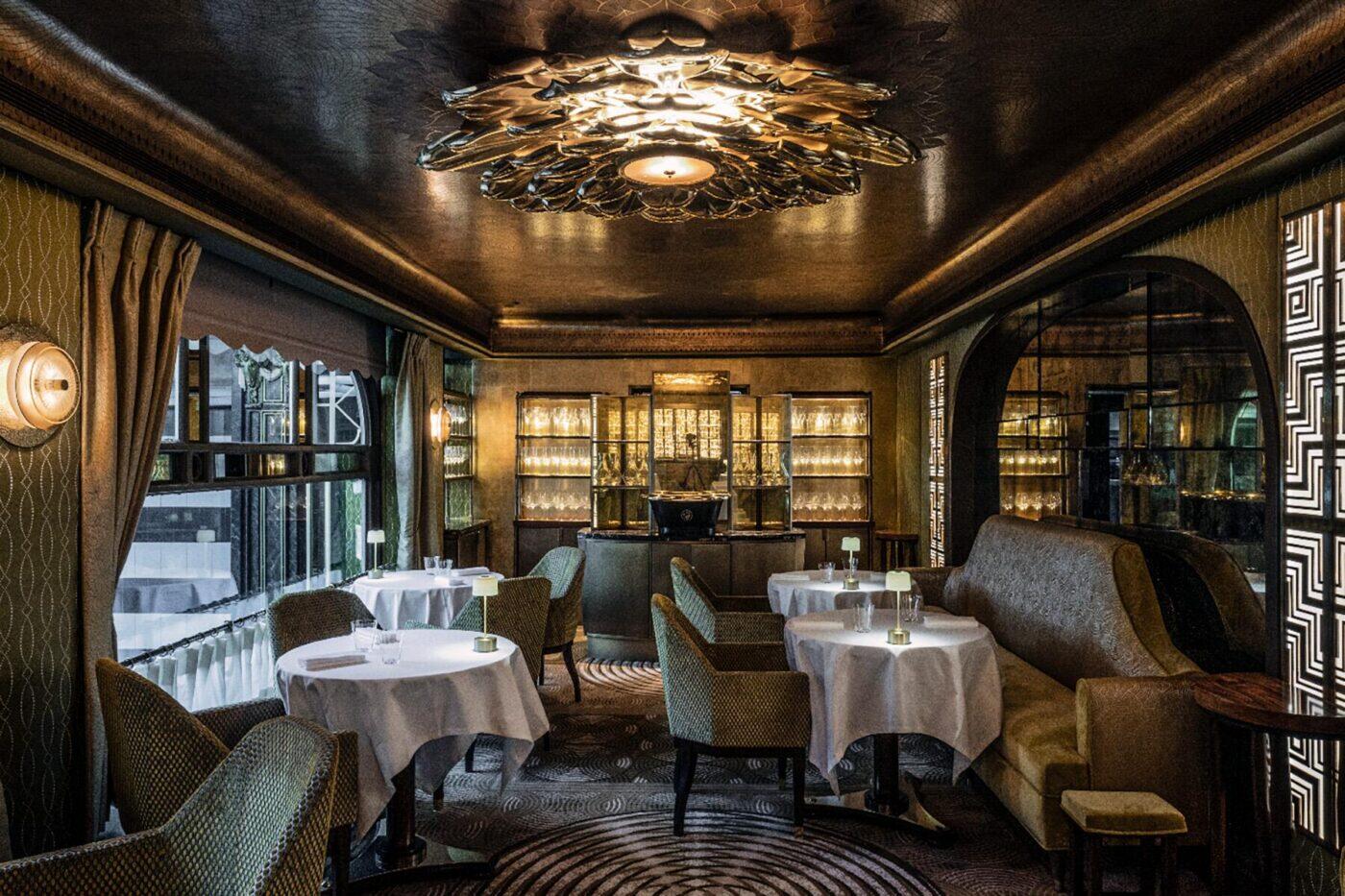
Navigating the world of Michelin-starred dining can be a rewarding experience, but it also presents unique challenges. Being prepared for these potential pitfalls can significantly enhance your enjoyment and ensure a seamless travel experience. This section delves into common hurdles and provides practical solutions to help you plan your culinary adventure with confidence.
Potential Challenges and Solutions
Booking and experiencing stays at hotels with Michelin-starred restaurants can present several challenges. These range from communication difficulties to adhering to specific dress codes.
- Language Barriers: Communication can be difficult if you don’t speak the local language. Restaurant staff, especially in smaller establishments, may not be fluent in English.
- Dress Codes: Michelin-starred restaurants often enforce strict dress codes. Failure to comply can result in denial of entry.
- Booking Difficulties: Reservations at these restaurants are highly sought after and can be difficult to secure, sometimes requiring bookings months in advance.
- Dietary Restrictions: Communicating dietary needs, allergies, or preferences can be challenging, especially with complex menus and intricate dishes.
- High Costs: Dining at Michelin-starred restaurants and staying in luxury hotels is inherently expensive. Unexpected costs can arise.
To overcome these challenges:
- Learn Basic Phrases: Familiarize yourself with basic phrases in the local language, or consider using a translation app.
- Confirm Dress Codes: Always confirm the dress code in advance and adhere to it. Pack appropriate attire, such as smart casual or formal wear.
- Book Well in Advance: Make reservations as early as possible, using online booking systems or contacting the hotel directly. Consider using a concierge service.
- Communicate Dietary Needs: Clearly communicate your dietary restrictions during the booking process and confirm them again upon arrival.
- Plan Your Budget: Research the average cost of dining and accommodation to avoid unexpected expenses. Be aware of additional charges like service fees.
Common Mistakes and How to Avoid Them
Avoiding common mistakes can greatly improve your experience.
- Failing to Research: Not researching the restaurant’s reputation, menu, and dress code beforehand. This can lead to disappointment or awkward situations.
- Underestimating Travel Time: Not accounting for travel time to the hotel and restaurant, leading to missed reservations or rushed experiences.
- Ignoring Hotel Policies: Overlooking the hotel’s cancellation policies, check-in/check-out times, and other important details.
To avoid these mistakes:
- Thorough Research: Read reviews, explore the restaurant’s website, and check the dress code. Understand the menu and pricing beforehand.
- Plan Your Itinerary: Factor in ample travel time to avoid rushing. Consider transportation options and potential delays.
- Read Hotel Policies: Carefully review the hotel’s policies regarding cancellations, check-in, check-out, and other relevant details. Confirm all details during the booking.
Delving into the unique experiences offered by these hotels adds depth to the planning process.
Discovering the culinary landscape within hotels boasting Michelin-starred restaurants unveils a world of experiences beyond mere dining. These establishments curate unique offerings designed to elevate a guest’s stay, transforming it into an immersive journey of gastronomic delight and luxurious comfort. Understanding these special features allows travelers to fully appreciate the value and exclusivity these hotels provide.
Culinary Experiences Beyond the Restaurant
Hotels with Michelin-starred restaurants often provide more than just exceptional meals; they craft immersive culinary experiences. These extras enhance the overall guest experience, offering a deeper connection to the art of fine dining.
- Chef’s Tables: Many hotels offer chef’s table experiences. These intimate settings, often located within the restaurant’s kitchen, allow guests to observe the culinary team at work and interact directly with the chef. Diners are typically served a tasting menu meticulously crafted for the occasion, often featuring seasonal ingredients and innovative techniques. This provides a behind-the-scenes glimpse into the creation of culinary masterpieces. For example, the chef’s table at Restaurant Le Cinq in the Four Seasons Hotel George V, Paris, offers an unparalleled view of the kitchen and personalized interaction with the chef, Christian Le Squer.
- Cooking Classes: Hands-on cooking classes led by the hotel’s Michelin-starred chefs are another popular offering. These classes provide guests with the opportunity to learn culinary techniques, explore new ingredients, and recreate signature dishes. They cater to all skill levels, from beginners to experienced home cooks. Classes frequently incorporate a tasting component where participants savor the fruits of their labor. The Mandarin Oriental, Hong Kong, regularly hosts cooking classes led by chefs from their Michelin-starred restaurants, providing an immersive culinary education.
- Wine Pairings and Sommelier Services: A key component of the Michelin-starred dining experience is expert wine pairing. Hotels offer extensive wine lists curated by sommeliers, who expertly match wines to each dish on the tasting menu. Guests can also participate in wine tastings and seminars, learning about different varietals, regions, and food pairings. Some hotels, like The French Laundry in Yountville, California, feature exceptional wine cellars and offer personalized wine consultations.
- Exclusive Tasting Menus and Special Events: Hotels frequently host special culinary events and offer exclusive tasting menus that are only available for a limited time. These might feature collaborations with guest chefs, seasonal menus highlighting local produce, or themed dinners that celebrate specific cuisines or ingredients. These events provide guests with a unique opportunity to experience innovative and cutting-edge cuisine.
Amenities and Services: Beyond the Plate
Beyond the culinary offerings, hotels with Michelin-starred restaurants often provide a range of amenities and services designed to enhance the overall guest experience. These extras elevate the stay to a level of unparalleled luxury and comfort.
- Spas and Wellness Centers: Many of these hotels feature luxurious spas offering a variety of treatments, from massages and facials to holistic wellness programs. These spas often incorporate high-end products and techniques, providing guests with a sanctuary of relaxation and rejuvenation. The Peninsula Hotels, known for their Michelin-starred restaurants, typically feature world-class spas offering comprehensive wellness experiences.
- Concierge Services: A dedicated concierge team is essential in these hotels, providing personalized assistance with everything from arranging transportation and making reservations to organizing excursions and securing exclusive access to events. They are experts in the local area and can curate bespoke experiences tailored to each guest’s preferences.
- Exclusive Access to Events: Guests may have access to exclusive events, such as private wine tastings, art exhibitions, or cultural performances. Some hotels partner with local businesses and organizations to provide unique experiences that go beyond the typical tourist offerings.
- Luxury Accommodations: The accommodations themselves are often luxurious, featuring high-end design, premium amenities, and personalized services. This can include butler service, in-room dining, and access to private lounges.
Comparing Hotel Experiences, How to find hotels with Michelin-starred restaurants?
The type of hotel experience available varies greatly. Each offers a unique combination of culinary excellence and luxury.
- Boutique Hotels: Boutique hotels, such as The Inn at Little Washington, often feature a single, highly-regarded Michelin-starred restaurant. The focus is on intimate settings, personalized service, and a strong sense of place. These hotels often offer unique experiences tied to the local culture.
- Large Luxury Resorts: Larger resorts, like The Ritz-Carlton or Four Seasons, may house multiple Michelin-starred restaurants, along with extensive amenities such as spas, pools, and recreational facilities. They provide a wider range of services and cater to a broader clientele.
- City Hotels: City hotels, such as the Mandarin Oriental, frequently boast multiple Michelin-starred restaurants, reflecting the city’s culinary diversity. They offer easy access to cultural attractions and business districts.
- Historic Hotels: Historic hotels, such as The Savoy in London, often combine a rich history with modern luxury and Michelin-starred dining. They provide a unique blend of elegance and culinary excellence.
Hunting for hotels boasting Michelin-starred restaurants can be a delicious adventure! But, what about hotels that go above and beyond, offering unparalleled experiences? The pursuit of culinary excellence often aligns with a dedication to exceptional service and amenities, which you can find out more about by exploring Best hotels with exceptional service and amenities?. Ultimately, finding those perfect hotels means diving deep into reviews, and cross-referencing culinary accolades to ensure a truly unforgettable stay with amazing food.