Identifying Hotels With Onsite Restaurants Bali is more than just a search; it’s a journey into the heart of Bali’s vibrant culinary scene, tailored for the discerning traveler. This guide delves into the specifics of finding hotels that not only offer accommodation but also elevate the dining experience, transforming a simple stay into a gastronomic adventure. We’ll navigate the nuances of “onsite restaurants,” explore the diverse cuisines on offer, and uncover the secrets to finding the perfect hotel restaurant to suit every palate and preference.
From understanding the preferences of travelers seeking this unique blend of convenience and quality to meticulously examining the criteria that define an “onsite restaurant,” this exploration is comprehensive. We’ll traverse Bali’s diverse landscapes, highlighting prime locations for these culinary havens. Furthermore, we’ll equip you with the knowledge to identify these hotels, assess their offerings, and interpret guest feedback to ensure a truly memorable experience.






Prepare to discover a world where stunning accommodations meet exceptional dining, all within the enchanting embrace of Bali.
Understanding the Target Audience for Hotels with Onsite Restaurants in Bali
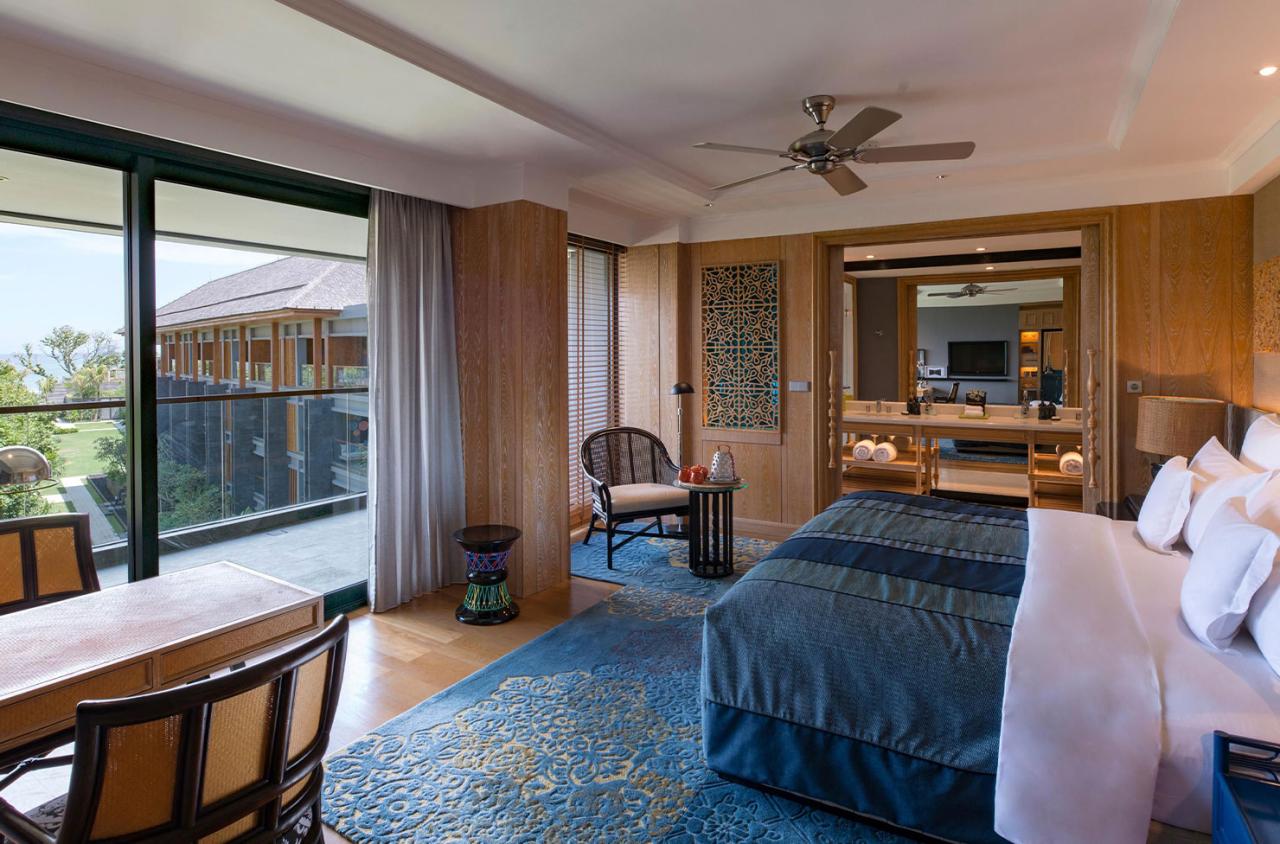
Bali, the Island of Gods, attracts a diverse range of travelers, each with unique preferences and needs. Hotels with onsite restaurants cater to a specific segment of this market, offering convenience, culinary experiences, and a certain level of luxury. Understanding this target audience is crucial for hotels to tailor their offerings effectively and maximize their appeal.
Demographics of Travelers Seeking Hotels with Onsite Restaurants
The demographic profile of travelers seeking hotels with onsite restaurants in Bali is multifaceted, encompassing various age groups, nationalities, and travel styles. This group generally prioritizes convenience and quality, often willing to spend more for a seamless and enjoyable experience.
- Age Range: The demographic skews towards adults aged 30-60, encompassing both couples and families. This age group often has higher disposable incomes and appreciates the ease of having dining options readily available. Younger travelers (25-30) also show interest, particularly those seeking a more curated travel experience.
- Nationality: Australians, Europeans (particularly from the UK, Germany, and France), and North Americans (US and Canada) constitute a significant portion of this demographic. These travelers often have longer vacation durations and a higher propensity to spend. There’s also a growing segment of affluent Asian travelers, especially from China, Singapore, and Japan, who appreciate the convenience and quality of hotel restaurants.
- Travel Style: This audience typically consists of leisure travelers seeking relaxation and comfort. They often prioritize convenience, safety, and a curated experience. They may be couples celebrating anniversaries, families with young children, or individuals seeking a hassle-free vacation.
Motivations and Preferences of These Travelers
The motivations driving travelers to choose hotels with onsite restaurants are varied, but generally center around convenience, culinary experiences, and a desire for a relaxed vacation.
- Convenience: The primary driver is convenience. Having dining options readily available eliminates the need to search for restaurants, especially after a long day of sightseeing or relaxing on the beach. This is particularly appealing to families with children or travelers who prefer not to venture far from their hotel.
- Culinary Experience: Many travelers are food enthusiasts who seek diverse and high-quality dining experiences. Hotel restaurants, especially those with renowned chefs or specific culinary themes, offer the opportunity to explore different cuisines without leaving the premises. This is enhanced by the often-beautiful ambiance of the restaurants, contributing to the overall dining experience.
- Relaxation and Comfort: Travelers prioritize relaxation and a stress-free vacation. Onsite restaurants contribute to this by providing a comfortable and familiar setting, minimizing the need for travel planning and reducing the time spent on logistics. They appreciate the ability to enjoy a meal without having to navigate unfamiliar streets or worry about transportation.
- Safety and Security: Some travelers, especially those unfamiliar with the local area or traveling with children, prioritize safety. Dining within the hotel provides a sense of security and control, particularly at night.
Budget Ranges and Spending Habits of This Demographic
The budget and spending habits of this demographic are generally higher than the average traveler in Bali. They are willing to invest in quality and convenience.
- Budget Range: The budget range for accommodation typically falls within the mid-range to luxury categories. Hotels with onsite restaurants often command higher prices due to the added value they provide. Travelers are willing to spend from $150 to upwards of $500+ per night, depending on the hotel’s star rating, location, and amenities.
- Spending Habits:
- Food and Beverage: A significant portion of their budget is allocated to food and beverages. They are likely to dine at the hotel restaurants multiple times during their stay, often indulging in breakfast, lunch, and dinner. They are also likely to order room service and enjoy drinks at the hotel bar.
- Activities and Excursions: While prioritizing relaxation, they also engage in activities and excursions. They are more likely to book tours and experiences through the hotel or trusted providers, contributing to higher spending.
- Spa and Wellness: Many of these travelers value wellness and are likely to utilize spa and wellness services offered by the hotel.
- Souvenirs and Shopping: They are also likely to spend on souvenirs and shopping, especially if the hotel offers curated shopping experiences.
- Example: A couple staying at a luxury resort in Seminyak, Bali, with several onsite restaurants, might spend an average of $300-$500 per night on accommodation. They could easily spend an additional $150-$300 per day on food and beverages, spa treatments, and activities. This demonstrates the higher spending power of this target audience.
- Data Source: Based on various travel reports and market analysis, like those provided by the Bali Tourism Board and reputable travel agencies.
Defining ‘Onsite Restaurant’ Criteria
When searching for hotels in Bali with onsite restaurants, establishing clear criteria is essential. This ensures accuracy and consistency in the search results, providing users with reliable information. This section details the specific definitions and classifications used to identify and categorize these dining options.
Defining ‘Onsite Restaurant’
An “onsite restaurant,” for the purpose of this search, is defined as a dining establishment located within the physical boundaries of the hotel property. This includes restaurants managed directly by the hotel, as well as those operated by external entities but located within the hotel premises and accessible to hotel guests.
Types of Onsite Dining Options
The variety of onsite dining options contributes to the appeal of a hotel. These options cater to different tastes and budgets, enhancing the overall guest experience.
- Fine Dining Restaurants: These establishments typically offer a sophisticated atmosphere, a curated menu, and high-quality service. They often feature tasting menus and a focus on culinary artistry. Examples include restaurants serving international cuisine, such as French, Italian, or Japanese.
- Casual Dining Restaurants: Offering a more relaxed setting, casual dining restaurants provide a diverse range of menu options, from comfort food to regional specialties. These are suitable for families and guests seeking a less formal dining experience.
- Bars and Lounges: These venues serve alcoholic and non-alcoholic beverages, often accompanied by light snacks or a limited menu. They provide a social space for guests to relax and enjoy the ambiance. Many bars also feature live music or entertainment.
- Poolside Restaurants and Cafes: These establishments are typically located near the hotel pool and offer a convenient dining option for guests enjoying the pool area. They often serve light meals, snacks, and refreshing beverages.
- Specialty Restaurants: Some hotels feature restaurants specializing in a particular cuisine or dining experience, such as seafood restaurants, steakhouses, or themed restaurants. These add variety to the dining options available.
- 24-Hour Room Service: While not a restaurant in the traditional sense, 24-hour room service is included because it provides guests with the convenience of dining within their rooms at any time.
Classification System for Onsite Restaurants
Categorizing onsite restaurants based on cuisine and dining experience allows for a more refined search and better matches user preferences. This classification system considers both the type of cuisine offered and the overall dining atmosphere.
- Cuisine Types: This classification categorizes restaurants based on the primary type of food they serve. Examples include:
- Indonesian: Restaurants featuring traditional Balinese and Indonesian dishes.
- International: Restaurants offering a diverse range of cuisines from around the world.
- Italian: Restaurants specializing in Italian cuisine, including pasta, pizza, and other Italian specialties.
- Japanese: Restaurants offering Japanese cuisine, such as sushi, ramen, and tempura.
- Western: Restaurants featuring dishes commonly found in Western countries, such as steaks, burgers, and salads.
- Seafood: Restaurants specializing in seafood dishes.
- Vegetarian/Vegan: Restaurants catering to vegetarian and vegan diets.
- Dining Experience: This classification describes the overall atmosphere and style of the restaurant.
- Fine Dining: Formal atmosphere, elegant décor, and high-end service.
- Casual Dining: Relaxed atmosphere, diverse menu, and family-friendly.
- Bistro: A small, informal restaurant with a relaxed atmosphere, often serving simple, hearty meals.
- Cafe: A casual establishment serving coffee, tea, and light meals.
- Bar: A social space for drinks and snacks.
Geographic Considerations in Bali
Bali’s allure extends beyond its beaches and temples, deeply intertwined with its diverse geography. Understanding the distribution of hotels with onsite restaurants across the island is crucial for both travelers and hotel operators. This section delves into the geographical hotspots, the advantages and disadvantages of different locations, and provides a practical guide to finding hotels with onsite dining options in specific areas.
Popular Regions for Hotels with Onsite Restaurants
The concentration of hotels with onsite restaurants isn’t uniform across Bali. Certain regions consistently attract a higher density due to their popularity with tourists and the infrastructure to support such establishments.
- Seminyak and Canggu: These areas are synonymous with upscale dining, nightlife, and surfing culture. They boast a high concentration of luxury hotels and villas, many of which feature world-class restaurants. The proximity to the beach and vibrant atmosphere make these areas highly desirable.
- Ubud: Known as the cultural heart of Bali, Ubud attracts visitors seeking tranquility, yoga retreats, and artistic experiences. Hotels here often feature restaurants that highlight local Balinese cuisine and offer stunning views of rice paddies and jungles.
- Nusa Dua: This purpose-built resort area is characterized by its pristine beaches, luxury hotels, and family-friendly atmosphere. Hotels in Nusa Dua often have multiple onsite restaurants catering to diverse tastes, from fine dining to casual eateries.
- Jimbaran: Famous for its seafood restaurants along the beach, Jimbaran is a popular spot for sunset dinners. Many hotels in the area capitalize on this by offering their own beachfront dining experiences.
- Kuta: Historically a major tourist destination, Kuta remains a hub for budget-friendly accommodations and lively entertainment. While the focus has shifted towards Seminyak and Canggu, Kuta still offers a range of hotels with onsite restaurants, especially those catering to the surfing crowd.
Advantages and Disadvantages of Different Bali Locations
Choosing a hotel location in Bali involves weighing the advantages and disadvantages of each region based on individual preferences and travel styles.
- Seminyak/Canggu:
- Advantages: Close proximity to beaches, vibrant nightlife, diverse dining options, high-end shopping, surfing opportunities.
- Disadvantages: Can be crowded, higher prices, traffic congestion, potential for noise.
- Ubud:
- Advantages: Cultural experiences, serene atmosphere, natural beauty, yoga and wellness retreats, authentic Balinese experiences.
- Disadvantages: Limited nightlife, can be further from beaches, some areas may experience limited internet connectivity.
- Nusa Dua:
- Advantages: Pristine beaches, family-friendly environment, well-maintained resorts, security, water sports.
- Disadvantages: Can feel isolated, less authentic Balinese experience, higher prices.
- Jimbaran:
- Advantages: Beautiful beaches, seafood restaurants, sunset views, proximity to the airport.
- Disadvantages: Limited nightlife, can be crowded, some areas may experience airport noise.
- Kuta:
- Advantages: Budget-friendly options, surfing beaches, lively atmosphere, close to the airport.
- Disadvantages: Can be crowded, traffic congestion, potential for noise, less upscale than other areas.
Hotels with Onsite Restaurants by Area
Here’s a sample of hotels with onsite restaurants in various areas of Bali. This table provides a snapshot; the dining experiences can vary widely.
| Hotel Name | Location | Restaurant Type | Cuisine Type |
|---|---|---|---|
| The Seminyak Beach Resort & Spa | Seminyak | Santai Beach House | International, Indonesian |
| The Legian Seminyak, Bali | Seminyak | The Restaurant | Modern European, Indonesian |
| The Haven Suites Berawa | Canggu | The Deck Cafe | International, Asian |
| COMO Uma Ubud | Ubud | Kemiri Restaurant | Indonesian, Asian |
| Four Seasons Resort Bali at Jimbaran Bay | Jimbaran | Sundara | International, Grill |
| Mulia Resort & Villas Nusa Dua | Nusa Dua | The Cafe | International Buffet |
| Hard Rock Hotel Bali | Kuta | Starz Diner | American, International |
Methods for Hotel Identification
Identifying hotels in Bali with onsite restaurants requires a systematic approach, leveraging various online resources and verification techniques. This process ensures travelers can accurately locate and book accommodations that meet their dining preferences. The following sections Artikel the key methods and strategies for successfully finding these hotels.
Online Travel Agencies (OTAs)
OTAs are primary platforms for hotel searches. They aggregate listings, providing filters to narrow down results based on specific criteria, including onsite dining.
- Popular OTAs: Platforms like Booking.com, Expedia, Agoda, and Traveloka are frequently used. These sites boast extensive hotel databases, detailed property information, and user reviews.
- Search Procedures:
- Initial Search: Enter “hotels in Bali” along with the desired location (e.g., “hotels in Seminyak”).
- Filter Application: Look for a “restaurants,” “dining,” or “food and beverage” filter. These filters may vary across different OTAs.
- Review Property Details: Carefully examine each hotel listing. Pay attention to the “Amenities,” “Facilities,” or “Description” sections for mentions of onsite restaurants.
- Check User Reviews: Read reviews to confirm the presence and quality of the onsite restaurant. Users often comment on their dining experiences.
- Verify Restaurant Names: If a hotel has multiple restaurants, note their names to easily search for them later.
- Advantages of Using OTAs: OTAs offer a wide selection, user reviews, price comparisons, and convenient booking processes. They often provide detailed information about hotel amenities.
- Limitations of Using OTAs: Information can sometimes be outdated or inaccurate. The filters might not always be precise. Some smaller hotels might not be listed.
Hotel Websites
Directly visiting hotel websites is another effective method. This approach often provides the most up-to-date and accurate information.
- Hotel Website Advantages: Hotel websites usually have detailed descriptions, high-quality images, and direct booking options. They can highlight unique dining experiences.
- Search Procedures:
- Initial Search: Search for hotels by name or location using a search engine like Google or DuckDuckGo.
- Navigate to the Website: Click on the hotel’s official website link.
- Explore the Website: Look for sections like “Dining,” “Restaurants,” “Food & Beverage,” or “Facilities.”
- Check Restaurant Details: Examine the menu, operating hours, and types of cuisine offered. Many hotels have dedicated pages for their restaurants.
- View Images and Virtual Tours: Browse photos or virtual tours of the restaurants to visualize the dining experience.
- Verifying Restaurant Information: Direct contact with the hotel can confirm the availability and details of the restaurant. Use email or phone numbers provided on the website.
Third-Party Restaurant Directories and Review Sites
Utilizing restaurant directories and review sites can also assist in hotel identification.
- Directory and Review Sites: Platforms like TripAdvisor, Zomato, and Google Maps offer listings and reviews of restaurants, including those within hotels.
- Search Procedures:
- Search for Hotels with Restaurants: Use search terms like “hotels with restaurants in Bali” or “restaurants in [hotel name].”
- Filter by Location: Refine the search by specifying the desired area in Bali.
- Examine Reviews and Ratings: Read reviews to assess the quality of the restaurant and the overall dining experience.
- Check for Hotel Mentions: Ensure the restaurant is located within a hotel. The listing should explicitly mention the hotel’s name.
- Advantages of Using Third-Party Sites: These sites provide user reviews and ratings, which can give insights into the restaurant’s quality. They can help discover hidden gems.
- Limitations of Using Third-Party Sites: The information may not always be up-to-date. Some smaller restaurants might not be listed.
Verification Strategies
Confirming the presence of an onsite restaurant is crucial. Employ these strategies to ensure accuracy.
- Contacting the Hotel Directly: Contact the hotel via phone or email to confirm the restaurant’s existence, operating hours, and reservation policies. This is the most reliable method.
- Checking Recent Reviews: Examine recent reviews on OTAs or review sites. Look for mentions of the restaurant and dining experiences. This provides current feedback.
- Verifying Images: Ensure the hotel website and OTAs show images of the restaurant and its offerings. This helps visualize the dining experience.
- Using Google Maps and Street View: Use Google Maps to verify the restaurant’s location within the hotel. Street View can offer a visual confirmation.
Restaurant Features and Amenities
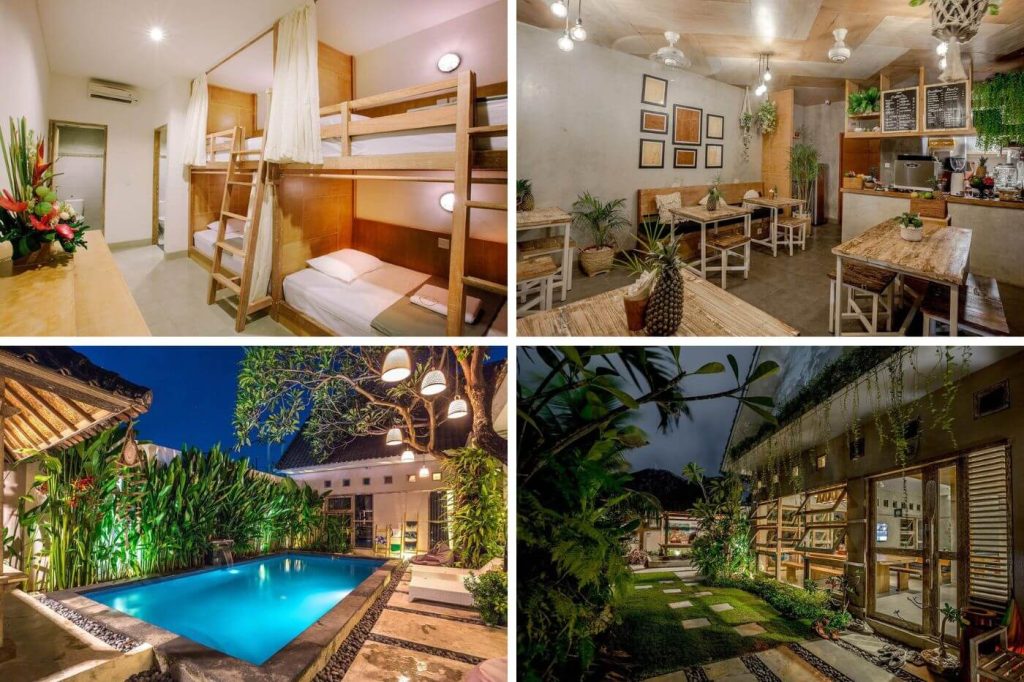
Bali’s hotels with onsite restaurants offer a diverse range of features and amenities designed to cater to various guest preferences and dining needs. These offerings significantly contribute to the overall guest experience, providing convenience, variety, and often, a touch of luxury. The following sections detail the typical features, dining experiences, and provide a comparison of amenities across different hotels.
Typical Features and Amenities
Onsite restaurants in Bali hotels commonly provide a standard set of amenities, enhancing guest convenience and satisfaction. These features are often integral to the hotel’s appeal.
- Breakfast Buffets: Many hotels offer extensive breakfast buffets, featuring a wide selection of international and local dishes, fresh fruits, pastries, and beverages. This is a common and expected offering, especially in larger resorts.
- Room Service: Room service is a standard feature, allowing guests to dine in the comfort of their rooms at various times of the day. This service typically includes a menu with a range of options from snacks to full meals.
- Lunch and Dinner Menus: Hotels provide menus for lunch and dinner, catering to diverse tastes with both local Indonesian cuisine and international favorites. The availability of diverse menu options is essential for guest satisfaction.
- Bar Service: Most restaurants include a bar, offering cocktails, wines, beers, and non-alcoholic beverages. This is particularly important for providing guests with options for pre-dinner drinks or after-dinner relaxation.
- Special Dietary Options: Many hotels cater to dietary restrictions and preferences, such as vegetarian, vegan, gluten-free, and halal options, to accommodate a wider range of guests. This is increasingly important in the current travel environment.
- Kids’ Menus: Families often look for hotels with kids’ menus, providing age-appropriate food choices.
- Outdoor Seating: Restaurants often provide outdoor seating, allowing guests to enjoy their meals in a pleasant environment, often with views of the hotel grounds, pool, or ocean.
Different Dining Experiences
Beyond standard amenities, Bali hotel restaurants differentiate themselves through unique dining experiences. These offerings add value and create memorable moments for guests.
Bali’s culinary scene is a major draw, making hotels with onsite restaurants highly desirable. While planning a romantic getaway, one might also consider what are the most romantic hotels for couples worldwide? , to enhance the experience. Back in Bali, these hotels offer the perfect blend of convenience and fine dining, allowing guests to savor exquisite meals without leaving the premises.
- Themed Nights: Hotels frequently host themed nights, such as Balinese cultural nights with traditional dance performances and cuisine, seafood nights, or international cuisine nights (e.g., Italian, Mexican). These events add excitement and variety to the dining experience.
- Special Menus: Restaurants often feature special menus for holidays, special events, or seasonal ingredients. These can include tasting menus, chef’s specials, or themed set menus.
- Outdoor Dining with a View: Many hotels offer outdoor dining with scenic views, such as beachfront restaurants, poolside dining, or restaurants overlooking rice paddies. These settings enhance the overall dining experience.
- Cooking Classes: Some hotels offer cooking classes, where guests can learn to prepare Balinese dishes.
- Private Dining: For special occasions, many hotels provide private dining options, such as romantic dinners on the beach or in secluded areas of the hotel.
- Live Music and Entertainment: Restaurants often feature live music or other forms of entertainment, creating a lively atmosphere.
Comparison of Hotel Restaurant Amenities
The following table provides a comparison of restaurant amenities offered by different hotels in Bali. This table showcases the diversity in offerings, helping to illustrate the varying levels of service and dining options available.
| Hotel Name | Restaurant Name | Cuisine | Features |
|---|---|---|---|
| The Ritz-Carlton, Bali | Raku | Japanese | Breakfast buffet, room service, omakase experience, sake bar, outdoor seating with ocean views. |
| Four Seasons Resort Bali at Sayan | Ayung Terrace | Indonesian, International | Breakfast buffet, room service, lunch and dinner menus, themed nights (e.g., Balinese buffet), outdoor dining overlooking the Ayung River. |
| Mulia Resort & Villas Nusa Dua | The Cafe | International | Extensive breakfast buffet, room service, lunch and dinner menus, themed nights, live cooking stations. |
| InterContinental Bali Resort | Jimbaran Gardens | Seafood, Grill | Room service, lunch and dinner menus, outdoor dining on the beach, live music, bar service. |
| The Oberoi Beach Resort, Bali | Kura Kura Restaurant | International, Indonesian | Room service, breakfast buffet, lunch and dinner menus, outdoor seating, special menus, romantic dining options. |
Types of Cuisine Offered
The culinary landscape of Bali’s hotel restaurants is as diverse and vibrant as the island itself. Catering to a wide range of tastes and preferences, these establishments offer a gastronomic journey that complements the beauty and tranquility of the Balinese experience. From traditional local flavors to international delicacies, the options are plentiful, ensuring there’s something for every palate.
Common Cuisines in Bali Hotel Restaurants
Bali’s hotel restaurants typically showcase a blend of cuisines to appeal to their international clientele. These restaurants often provide a multi-faceted dining experience, offering a range of options for guests to choose from.
- Balinese Cuisine: This is a cornerstone of many hotel restaurants, highlighting the island’s rich culinary heritage. Expect dishes like
-nasi goreng* (fried rice),
-sate lilit* (minced meat satay), and
-bebek betutu* (smoked duck). - Indonesian Cuisine: Beyond Balinese specialties, restaurants often feature dishes from other parts of Indonesia, such as
-rendang* (slow-cooked beef in coconut milk) from West Sumatra or
-gado-gado* (vegetable salad with peanut sauce). - International Cuisine: Hotels commonly provide a variety of international options to cater to diverse tastes. These may include Italian, French, Japanese, and Western-style grills.
- Asian Cuisine: Many hotels feature restaurants specializing in other Asian cuisines, such as Thai, Vietnamese, or Chinese, adding to the variety of choices.
- Fusion Cuisine: Increasingly popular, fusion restaurants combine elements of different cuisines to create innovative and unique dishes. This could involve blending Balinese flavors with Western techniques or incorporating Asian influences into international classics.
Dietary Options Availability
The modern hotel restaurant in Bali understands the importance of catering to various dietary needs.
- Vegetarian Options: Vegetarian dishes are widely available, often featuring local vegetables and ingredients. Many restaurants offer dedicated vegetarian sections on their menus.
- Vegan Options: With the growing popularity of veganism, hotels are increasingly offering vegan choices. This includes dishes that exclude all animal products, using plant-based alternatives.
- Gluten-Free Options: Restaurants often cater to guests with gluten sensitivities, providing gluten-free bread, pasta, and other dishes. Menus often clearly indicate gluten-free options.
- Other Dietary Needs: Hotels can accommodate other dietary needs, such as low-sodium or allergen-specific meals, upon request. It’s recommended to inform the restaurant in advance.
Examples of Restaurants Offering Local Balinese and International Dishes
Several hotels in Bali exemplify the diversity of culinary offerings.
- Local Balinese Cuisine: The Four Seasons Resort Bali at Sayan offers authentic Balinese dining experiences with dishes that celebrate local flavors. The restaurant’s ambiance and commitment to traditional recipes provide an immersive culinary journey. The menu often features ingredients sourced directly from local farmers.
- International Cuisine: The Ritz-Carlton, Bali, is known for its diverse dining options, including restaurants specializing in international cuisines. Their restaurants provide a range of experiences, from fine dining to casual settings, ensuring guests can enjoy dishes from around the world. The menus often incorporate fresh, locally sourced ingredients to enhance the dining experience.
- Fusion Cuisine: The Mandapa, a Ritz-Carlton Reserve, frequently features restaurants that blend Balinese flavors with international techniques. Their culinary team crafts innovative dishes that showcase the island’s unique ingredients while incorporating global influences.
Price Range and Value Proposition: Identifying Hotels With Onsite Restaurants Bali
Dining at hotel restaurants in Bali offers a spectrum of price points, catering to diverse budgets. Understanding these price ranges and how they compare to the value offered is crucial for travelers seeking culinary experiences. The following sections delve into the typical costs, value-for-money examples, and pricing comparisons with independent establishments.
Typical Price Ranges for Onsite Dining
The cost of dining at Bali hotel restaurants varies considerably, influenced by factors like the hotel’s star rating, location, and the type of cuisine. Expect to find options ranging from casual poolside cafes to fine-dining experiences.
- Budget-Friendly Options: These are generally available at smaller hotels, guesthouses, or casual restaurants within larger resorts. Prices for main courses might start around IDR 50,000 to IDR 150,000. These often feature local Indonesian dishes or Western comfort food.
- Mid-Range Restaurants: Found in mid-range hotels and some larger resorts, these restaurants offer a wider selection and potentially more sophisticated dishes. Main courses typically range from IDR 150,000 to IDR 400,000.
- High-End/Fine Dining: Luxury hotels and resorts boast fine-dining restaurants with premium ingredients, expert service, and stunning ambiance. Expect main courses to start from IDR 400,000 and can easily exceed IDR 1,000,000, especially for tasting menus or special dishes.
Hotels Offering Good Value for Money
Several hotels in Bali stand out for offering excellent value for money in their onsite restaurants. These establishments provide a balance between quality, portion size, ambiance, and price.
- The Kayon Jungle Resort (Ubud): This resort’s restaurant often receives positive reviews for its delicious Indonesian and international cuisine, served in a beautiful jungle setting. Prices are considered reasonable for the quality and experience. The restaurant’s ambiance includes lush greenery and views of the surrounding landscape, providing a memorable dining experience.
- Mulia Resort & Villas Nusa Dua: While a larger resort, Mulia offers various dining options, including casual cafes and more formal restaurants. The quality of food, combined with the resort’s facilities, often makes the dining experience good value, especially considering the overall luxury of the resort.
- The Stones Hotel – Legian, Bali – A Marriott Autograph Collection Hotel: This hotel, located in the heart of Legian, provides a range of dining choices that are frequently praised for their value. The restaurants within the hotel offer a combination of Western and Asian cuisine. The central location provides easy access to local attractions and the beach.
Comparing Onsite Restaurant Pricing with Independent Restaurants
Comparing prices between hotel restaurants and nearby independent establishments reveals interesting dynamics. While hotel restaurants often command a premium, the convenience, ambiance, and potentially higher quality ingredients can justify the cost for some diners.
Pricing Comparison:
- Independent Restaurants: Generally, independent restaurants offer more competitive pricing. A meal at a warung (local eatery) can be incredibly affordable, while even mid-range independent restaurants often provide dishes at lower prices than their hotel counterparts.
- Hotel Restaurants: Hotel restaurants tend to be more expensive, reflecting higher overhead costs, including rent, staffing, and imported ingredients. However, the convenience of dining within the hotel, the quality of service, and the controlled environment often justify the price difference.
Guest Reviews and Ratings
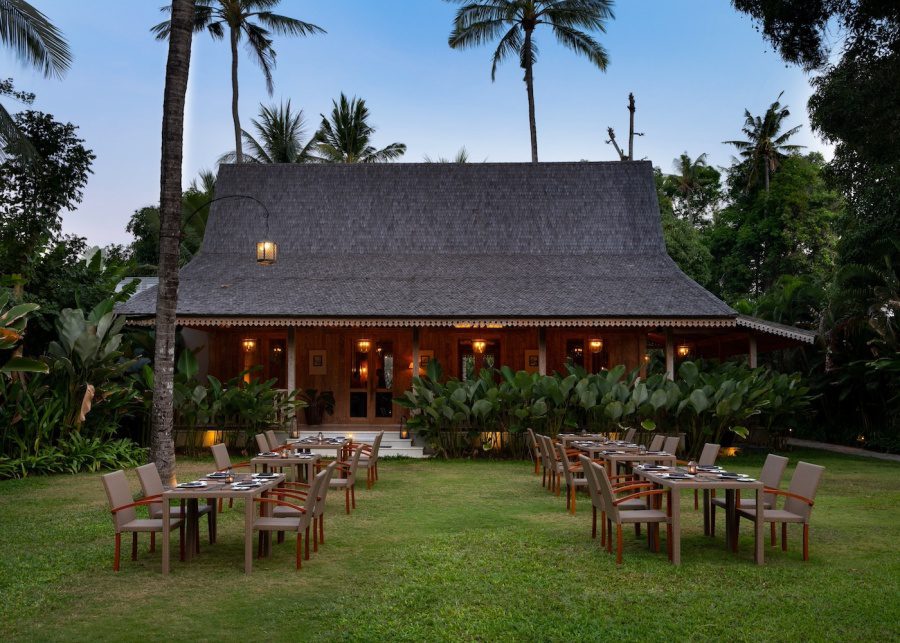
Finding the perfect hotel in Bali with a top-notch onsite restaurant involves more than just browsing photos and reading descriptions. Diving into guest reviews and ratings is crucial for getting an authentic perspective on the dining experience. These reviews offer invaluable insights into the quality of food, service, ambiance, and overall value, helping you make an informed decision.
Finding and Interpreting Guest Reviews
Guest reviews are readily available on various online platforms. Analyzing these reviews allows potential guests to understand the experiences of others, and these platforms are essential tools for travelers.
- Online Travel Agencies (OTAs): Platforms like Booking.com, Expedia, and Agoda are treasure troves of reviews. Each review typically includes a star rating, along with written comments. The star rating provides a quick overview, while the comments offer detailed feedback.
- Review Websites: Sites such as TripAdvisor and Google Reviews are dedicated to collecting reviews. TripAdvisor, in particular, has a vast collection of reviews for hotels and restaurants globally. Google Reviews integrates reviews directly into search results and Google Maps, making it easy to access them.
- Social Media: Platforms like Facebook and Instagram can also provide insights. Searching for the hotel’s name or relevant hashtags can uncover reviews and comments. Guests often share photos of their meals, which can be visually informative.
Interpreting these reviews requires a discerning eye. Consider the following points:
- Overall Rating: Look at the average rating (e.g., out of 5 stars). A higher average generally indicates a more positive experience.
- Number of Reviews: A hotel with a large number of reviews has a more statistically reliable rating.
- Recency: Pay attention to the date of the reviews. Recent reviews are more relevant as they reflect the current state of the hotel and its restaurant.
- Content Analysis: Read the comments carefully. Look for recurring themes. Are guests consistently praising or criticizing the same aspects of the dining experience?
- Sentiment Analysis: Consider the overall tone of the reviews. Are they mostly positive, negative, or mixed?
Assessing Review Quality and Identifying Trustworthy Sources
Not all reviews are created equal. It’s essential to assess the quality of reviews and identify trustworthy sources to avoid being misled.
- Source Credibility: Prioritize reviews from reputable sources like established OTAs and review websites.
- Reviewer Profiles: Check the reviewer’s profile, if available. Look for reviewers who have a history of writing reviews and who seem to be genuine travelers.
- Review Detail: Well-written, detailed reviews that describe specific experiences are generally more trustworthy than short, vague comments.
- Photo and Video Verification: Reviews accompanied by photos or videos of the food and restaurant can add credibility.
- Balance of Perspectives: Be wary of reviews that are overwhelmingly positive or negative. A balanced range of opinions is usually a good sign.
- Flagging Suspicious Reviews: Most platforms allow users to flag reviews that seem fake or biased.
Examples of Hotels with Highly-Rated Onsite Restaurants
Several hotels in Bali consistently receive high ratings for their onsite restaurants. These examples illustrate how guest reviews can help potential guests identify quality dining experiences.
- The Ritz-Carlton, Bali (Nusa Dua): The Ritz-Carlton, Bali consistently receives high ratings for its restaurants, such as Raku (Japanese Cuisine) and The Beach Grill. Guests frequently praise the quality of food, the exceptional service, and the stunning ocean views. Many reviews highlight the consistency of the dining experience, with comments such as, “The food was consistently excellent throughout our stay.”
- Four Seasons Resort Bali at Sayan (Ubud): This resort’s restaurant, Ayung Terrace, is often lauded in guest reviews. Reviews commonly mention the unique ambiance, overlooking the Ayung River, and the exceptional Indonesian and international cuisine. Guests often share their experiences, emphasizing the romantic setting and the attentiveness of the staff. For instance, a review might say, “The setting of Ayung Terrace is magical, and the food is just as impressive.”
- Mulia Resort & Villas Nusa Dua: Mulia Bali is renowned for its multiple dining options, with guests often raving about The Cafe and Soleil Restaurant. Reviewers frequently comment on the extensive buffet spreads and the quality of the à la carte dishes. The variety of cuisine offered and the service quality are often mentioned. For example, a guest might note, “The Cafe offers an incredible selection of food; it’s impossible to try everything!”
Visual Presentation and Branding
In the vibrant landscape of Bali, where beauty permeates every aspect of life, the visual presentation of a hotel’s onsite restaurant is paramount. It’s not merely about serving food; it’s about crafting an immersive experience that resonates with the discerning traveler. The visual elements – from the decor and lighting to the ambiance and branding – play a crucial role in shaping perceptions and influencing dining choices.
This section delves into the aesthetics of hotel restaurants, exploring how visual presentation impacts guest experience and brand identity.
Upscale Restaurant Design and Ambiance
The visual appeal of an upscale onsite restaurant is meticulously curated to create an atmosphere of sophistication and exclusivity. Every detail, from the selection of materials to the placement of artwork, contributes to the overall impression.
- Decor: The decor often features high-quality materials such as polished wood, natural stone, and custom-made furniture. Color palettes tend towards muted tones, such as creams, grays, and deep blues, with accents of gold or other precious metals. Art plays a significant role, with original paintings, sculptures, or installations adding a touch of elegance and intrigue. Consider the use of Balinese cultural elements incorporated subtly into the design, like intricately carved wooden panels or traditional textiles.
- Lighting: Lighting is a critical element in establishing the mood. Soft, ambient lighting is often preferred, with strategically placed spotlights highlighting key features such as artwork or specific dining areas. Chandeliers, pendant lights, and wall sconces contribute to a sense of luxury and intimacy. The use of dimmers allows for adjustments throughout the day and evening, enhancing the dining experience.
- Ambiance: The ambiance is carefully crafted to create a sense of refined comfort. Background music, often live or curated playlists, complements the dining experience without overpowering conversation. The overall atmosphere should be one of tranquility and exclusivity, providing guests with a memorable and enjoyable dining experience. The restaurant should feel like a sanctuary, a place where guests can escape the hustle and bustle of everyday life.
Casual Restaurant Visual Style
Casual restaurants adopt a different visual approach, focusing on creating a relaxed and inviting atmosphere. While still prioritizing aesthetics, the emphasis is on approachability and comfort.
- Decor: The decor in casual restaurants tends to be more relaxed and informal. Natural materials, such as wood and bamboo, are often used, along with vibrant colors and patterns. Artwork may include local art or photography, contributing to a sense of place and authenticity. The design often reflects the type of cuisine offered, with themes that may evoke a sense of the culture or region.
- Lighting: Lighting in casual restaurants is typically brighter and more functional than in upscale establishments. However, it still plays a role in setting the mood. The use of natural light is often maximized, and pendant lights or track lighting may be used to provide illumination. The focus is on creating a warm and welcoming atmosphere.
- Ambiance: The ambiance in a casual restaurant is generally more lively and energetic. Music is often played at a higher volume, and the atmosphere is conducive to conversation and social interaction. The goal is to create a fun and engaging dining experience that appeals to a wide range of guests.
Hotel Restaurant Visual Presentation through Photography and Descriptions
Hotels strategically utilize photography and descriptive text to showcase their onsite restaurants and attract guests. These visual presentations are critical in online marketing and booking platforms.
- High-Quality Photography: Hotels invest in professional photography to capture the essence of their restaurants. The images typically showcase the restaurant’s interior design, food presentation, and ambiance. The photographs are often taken at various times of the day to highlight the different moods and experiences offered. Images should be high-resolution and visually appealing, creating a strong first impression.
- Detailed Descriptions: Alongside photographs, hotels provide detailed descriptions of their restaurants. These descriptions often include information about the cuisine, ambiance, and unique features. For example, a description might highlight the use of locally sourced ingredients, the restaurant’s panoramic views, or its signature dishes. The language used should be descriptive and evocative, painting a vivid picture for potential guests.
- Examples:
- The Ritz-Carlton, Bali, Raku Restaurant: The website showcases stunning photographs of Raku, a Japanese restaurant. The images display the sleek interior design, the meticulously plated dishes, and the ocean views. The description highlights the “modern Japanese cuisine with a touch of Bali,” emphasizing the use of fresh, local ingredients and the restaurant’s unique ambiance.
- Four Seasons Resort Bali at Sayan, Ayung Terrace: The website features captivating images of Ayung Terrace, offering a description of its stunning setting. The images highlight the open-air design, the lush greenery, and the river views. The accompanying text describes the restaurant’s focus on authentic Indonesian cuisine and the use of locally sourced ingredients.
- Consistent Branding: The visual presentation of the restaurant should align with the hotel’s overall brand identity. This consistency ensures that the restaurant’s image reinforces the hotel’s positioning and resonates with its target audience. The use of the hotel’s logo, color palette, and fonts should be integrated into the restaurant’s marketing materials, creating a cohesive brand experience.
Seasonal Variations and Special Events
Bali’s allure extends beyond its beaches and temples, encompassing a dynamic culinary scene that adapts to the island’s seasonal rhythms and vibrant cultural calendar. Hotels with onsite restaurants skillfully leverage these variations to enhance guest experiences and attract both local and international visitors. This adaptability is key to maintaining a competitive edge in the hospitality industry.
Seasonal Menu Adaptations, Identifying Hotels With Onsite Restaurants Bali
The availability of fresh, local ingredients dictates the seasonal offerings of many Bali hotel restaurants. During the rainy season, for example, the abundance of certain fruits and vegetables influences menu choices. Hotels often create special menus to highlight these seasonal delicacies.
- Dry Season Focus (May – September): During the dry season, when Bali experiences less rainfall, restaurants might emphasize grilled seafood and outdoor dining experiences. This could involve special “seafood nights” with fresh catches of the day, enjoyed under the stars.
- Rainy Season Focus (October – April): The rainy season often sees restaurants featuring heartier, warming dishes. Expect to see more soups, stews, and dishes utilizing seasonal vegetables like pumpkins and sweet potatoes. The focus might shift towards indoor dining experiences with cozy atmospheres.
- Fruit and Vegetable Availability: Restaurants often incorporate seasonal fruits and vegetables into their menus. For example, during the mango season, mango-based desserts and drinks might become a staple. Similarly, during the durian season (though polarizing!), some restaurants may offer durian-infused dishes.
- Ingredient Sourcing: Hotels prioritize sourcing ingredients locally. This can result in menus that change based on what’s available from local farmers and fishermen, promoting sustainability and supporting the local economy.
Special Events and Promotions
Hotels regularly host special events and promotions to draw in guests and create memorable experiences. These events are often timed to coincide with holidays, cultural celebrations, or special occasions.
- Galungan and Kuningan Celebrations: These Balinese Hindu holidays are prime times for special events. Hotels might offer traditional Balinese feasts, cultural performances (like dance and music), and themed decorations to celebrate these important religious events.
- Nyepi Day (Day of Silence): Restaurants adapt their operations on Nyepi Day, when the island observes a day of silence and limited activity. Some hotels may offer special in-room dining options or set menus, catering to guests’ needs while respecting the day’s restrictions.
- Christmas and New Year’s Eve: These festive periods are major draws for tourists. Hotels typically host elaborate Christmas Eve dinners, New Year’s Eve gala dinners, and special brunch events, often featuring live music, entertainment, and themed menus.
- Valentine’s Day: Many hotels organize romantic dinners and special packages for couples, including candlelit dinners, special menus, and sometimes even live music or couples massages.
- Anniversary Celebrations: Some hotels organize anniversary celebrations with special events such as dinner and dance, with an intimate and romantic atmosphere.
- Culinary Workshops and Demonstrations: Some hotels will invite professional chefs to give cooking classes, demonstrating how to make special dishes.